
How to Remove Dark Spots on Face: A Dermatologist's Step-by-Step Plan
Quick answer
To remove dark spots on the face, protect your skin from the sun every day and use a proven lightening ingredient consistently for 8-12 weeks. Vitamin C, niacinamide, azelaic acid, retinoids and prescription depigmenting agents are the main options. Stubborn or deeper spots respond best to chemical peels, lasers or microneedling done by a dermatologist. The right treatment depends on the type of spot and your skin tone, and without sunscreen, spots usually return.
Almost every patient I see in Hyderabad has tried at least a few things for dark spots: lemon, turmeric packs, random creams, even salon lasers. Some of these help, many do nothing, and a few make the spots darker. In this guide I explain what actually causes dark spots, which treatments work for which type, how long they take, and the mistakes I most often have to correct.
🔑 Key Takeaways
- Step 1 is always sunscreen: SPF 30+ every morning, reapplied when outdoors
- Identify the type first: sun spots, post-acne marks and melasma are treated differently
- Topicals take time: expect visible fading in 8-12 weeks, deeper spots longer
- Clinic treatments: peels, lasers and microneedling for stubborn spots
- Avoid: lemon, baking soda and harsh scrubs, which can darken spots
- See a doctor early if a spot is new, changing, bleeding or irregular
What Causes Dark Spots on the Face?
Dark spots form when pigment-producing cells (melanocytes) make extra melanin in one area. Several triggers can switch this on:
🔍 Common Causes
- Sun exposure: the biggest cause of sun spots (solar lentigines) and of spots getting darker
- Acne and skin injury: post-inflammatory hyperpigmentation (PIH) after pimples, picking, burns or rashes
- Hormones: pregnancy, contraceptive pills and thyroid or hormonal conditions (linked with melasma)
- Ageing: age spots build up with cumulative sun damage
- Heat and visible light: can worsen melasma, especially in Indian skin
- Medicines and products: some drugs and irritating skincare make the skin more reactive
Which Type of Dark Spot Do You Have?
| Type | How it looks | Usual trigger | Best-suited treatment |
|---|---|---|---|
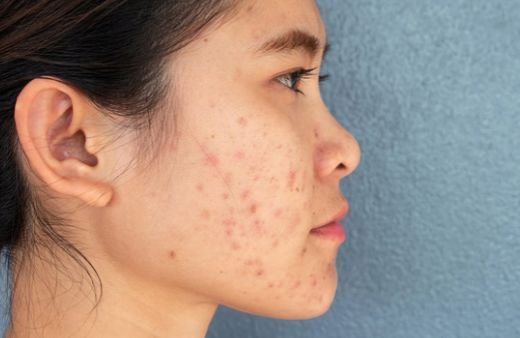
| Post-acne marks (PIH) | Flat brown or dark marks where pimples were | Acne, picking, irritation | Sunscreen, azelaic acid, niacinamide, retinoid; peels if stubborn |
| Sun spots / age spots | Well-defined tan to brown spots on sun-exposed areas | Cumulative UV exposure | Vitamin C, retinoid, peels, laser or IPL |
| Melasma | Larger symmetrical brown or grey-brown patches on cheeks, forehead, upper lip | Hormones, sun, heat | Strict sun and visible-light protection, supervised depigmenting agents; careful with lasers |
| Freckles | Small light-brown spots, darker in sun | Genetics + sun | Sunscreen; light laser if desired |
Dark Spot Treatments That Actually Work
1. Daily Sunscreen (Non-Negotiable)
UV and visible light keep pigment cells active. Use a broad-spectrum SPF 30 or higher every morning, reapply every 2-3 hours outdoors, and consider a tinted sunscreen containing iron oxides if you have melasma. No lightening treatment works well without this step.
2. Topical Lightening Ingredients
🧪 Proven Ingredients
- Vitamin C: antioxidant that reduces melanin production and brightens dull skin. See our guide on using vitamin C for brightening.
- Niacinamide: reduces transfer of pigment to skin cells and supports the skin barrier; well tolerated.
- Azelaic acid: helpful for post-acne marks and acne-prone skin.
- Retinoids: speed up skin renewal so pigmented cells shed faster (avoid in pregnancy).
- Prescription agents (e.g. hydroquinone, tranexamic acid, kojic acid combinations): powerful options, but should be used only under a dermatologist's supervision and for limited periods to avoid side effects.
3. Chemical Peels
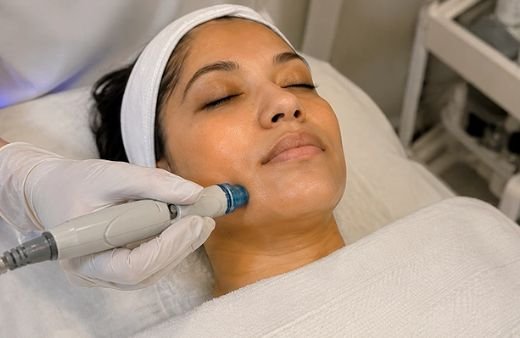
Superficial peels such as glycolic, salicylic, lactic and mandelic acid remove the top pigmented layers and speed up renewal. They are usually done in a series of sessions several weeks apart, and are useful for post-acne marks and mild sun spots. Skin type and tone decide which peel and strength are safe.
4. Laser and Light Treatments
Pigment-targeting lasers and IPL can break up well-defined dark spots such as sun spots. They must be matched carefully to your skin tone, because the wrong device or settings can cause rebound pigmentation, especially in Indian skin and in melasma.
5. Microneedling and Skin Boosters
Microneedling with suitable serums or biostimulants can improve skin quality, support healing after acne and help marks fade more evenly, usually as part of a combined plan.
"The biggest mistake I see is jumping to a strong treatment without identifying the type of pigmentation. The same laser that clears a sun spot can make melasma worse." — Dr. Alekya Singapore
How Long Do Dark Spots Take to Fade?
| Approach | Typical timeline | Sessions |
|---|---|---|
| Sunscreen + topical actives | 8-12 weeks for visible change; up to 6 months for deeper spots | Daily routine |
| Chemical peels | Gradual improvement across the series | Usually 3-6, every 2-4 weeks |
| Laser / light | Improvement over weeks after each session | Varies with spot and device |
| Microneedling / boosters | Skin quality improves over several weeks | Usually a series |
Home Care: What to Do and What to Avoid
✨ Do This
- 🧴 Use a gentle cleanser and moisturizer: a healthy barrier lowers irritation and rebound pigmentation.
- ☀️ Apply sunscreen daily, even indoors near windows or on cloudy days.
- 🚫 Do not pick pimples: picking is a leading cause of post-acne marks. A hydrocolloid patch can help, as explained in our blog on whether pimple patches really work.
- 🕒 Be consistent: change one thing at a time and give it 8-12 weeks.
When to See a Dermatologist for Dark Spots
See a dermatologist if:
- Spots have not improved after 12 weeks of consistent sunscreen and actives
- You have large, symmetrical patches that may be melasma
- A spot is new, changing, irregular or bleeding
- Your skin is reacting or darkening after a product or procedure
- Dark marks follow acne and new pimples keep appearing
Treatment is built around your spot type, skin tone and lifestyle. For a wider overview of pigmentation on the face and body, read our guide on skin pigmentation treatment. If acne has also left pitted or raised marks, see our acne scar treatment options.
Frequently Asked Questions About Removing Dark Spots
How can I remove dark spots on my face?
The most reliable approach is to combine daily broad-spectrum sunscreen (SPF 30 or higher) with a topical lightening ingredient such as vitamin C, niacinamide, azelaic acid, retinoids or a prescription depigmenting agent. Stubborn spots may need chemical peels, lasers or microneedling in a clinic. The right choice depends on the type of spot and your skin tone, so a dermatologist should assess it.
Chehre ke dark spots kaise hataye?
Chehre ke dark spots hatane ke liye roz sunscreen lagana sabse zaroori hai. Iske saath vitamin C, niacinamide ya azelaic acid jaise ingredients 8-12 hafte tak use karein. Agar spots purane ya gehre hain to dermatologist se peel ya laser jaise treatment ke baare mein poochhein. Nimbu ya baking soda jaise gharelu nuskhe na lagayein, isse skin jal sakti hai.
How long does it take to remove dark spots from the face?
Topical treatments usually show visible fading in 8 to 12 weeks, and deeper spots can take 3 to 6 months. Chemical peels and laser treatments are done in a series of sessions spaced weeks apart. Post-acne marks tend to fade faster than melasma or deeper sun-related pigmentation.
What is the difference between dark spots and melasma?
Dark spots (sun spots, age spots or post-acne marks) are usually small, well-defined patches. Melasma appears as larger, symmetrical brown or grey-brown patches, commonly on the cheeks, forehead and upper lip, and is influenced by hormones, sun and heat. Melasma needs more careful treatment because inappropriate lasers or harsh products can worsen it.
Are home remedies like lemon juice safe for dark spots?
No. Lemon juice, baking soda and raw potato have no reliable evidence and can cause burns, irritation and even more pigmentation, especially in Indian skin. Evidence-based ingredients in properly formulated products are safer and more effective.
Is laser safe for dark spots on Indian skin?
Laser can work well for sun spots and other well-defined dark spots, but darker skin tones have a higher risk of post-inflammatory pigmentation if the wrong laser or settings are used. Treatment should be planned and performed by an experienced dermatologist, usually after preparing the skin, and followed by strict sun protection.
Can dark spots come back after treatment?
Yes. Treatment clears existing pigment, but sun exposure, heat, hormones and new inflammation can trigger spots again. Daily sunscreen and a simple maintenance routine are essential to keep results.
When is a dark spot a sign of something serious?
See a dermatologist promptly if a spot is new after adulthood, changing in size, shape or colour, has an irregular border or multiple colours, bleeds, itches or does not heal. These can be warning signs of skin cancer and should never be treated with creams without a diagnosis.
Ready to Clear Stubborn Dark Spots?
Dr. Alekya Singapore and the team at The Skin Sensé will identify your type of pigmentation and create a safe, personalized treatment plan for your skin tone.
📍 Location: Banjara Hills, Hyderabad
⏰ Hours: Mon-Sat, 10 AM – 5 PM
References
- Davis EC, Callender VD. Postinflammatory hyperpigmentation: a review of the epidemiology, clinical features, and treatment options in skin of color. Journal of Clinical and Aesthetic Dermatology. 2010;3(7):20-31.
- Sarkar R, Arora P, Garg VK, Sonthalia S, Gokhale N. Melasma update. Indian Dermatology Online Journal. 2014;5(4):426-435.
- Telang PS. Vitamin C in dermatology. Indian Dermatology Online Journal. 2013;4(2):143-146.
This article is for general education and is not a substitute for personal medical advice. Results vary from person to person.

About the Author: Dr. Alekya Singapore
Founder & Chief Dermatologist, The Skin Sensé
Dr. Alekya Singapore is an award-winning dermatologist with over 13 years of experience in clinical, cosmetic and procedural dermatology. Recognized as India's 1st Dermapreneur by Times Network (2025) and named among India's Top 10 Dermatologists, she holds qualifications including MBBS, DDVL, FAM, FPD (USA), FDM (UK), MBA (Manipal) and AMPH (ISB).
She specializes in pigmentation, melasma and skin brightening using evidence-based approaches that combine topical treatments with advanced clinical procedures.