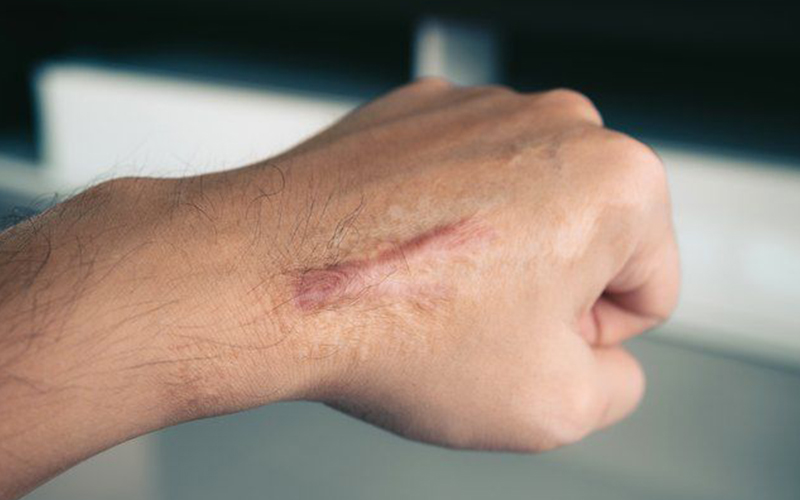
Keloid Treatment in Hyderabad
Expert Keloid Removal, Scar Reduction & Recurrence Prevention by Dr. Alekya Singapore
If a scar on your ear, chest, shoulder, or back has kept growing long after the original wound healed, you may be dealing with a keloid rather than an ordinary scar. Keloids are thick, raised, often itchy or tender scars that spread beyond the edges of the original injury, and because they rarely fade or flatten on their own, most people eventually start searching for keloid treatment near me or a dedicated keloid specialist in Hyderabad who understands how to manage them long-term.
At The Skin Sensé, Banjara Hills, we offer one of Hyderabad's most comprehensive keloid removal programs, combining steroid injection treatment, laser therapy for keloids, cryotherapy, silicone gel therapy, and keloid surgery under the direct care of Dr. Alekya Singapore, India's 1st Dermapreneur and a dermatologist with over 14+ years of clinical experience in cosmetic and dermatologic surgery. Every keloid scar treatment plan here begins with an in-person diagnosis, because the right combination of therapies depends heavily on the keloid's size, location, age, and your individual scarring tendency.
What Are Keloids?
Keloids are a type of raised scar that forms when the skin overreacts to an injury during the wound-healing process. Normally, when skin is cut, pierced, burned, or inflamed by acne, the body produces collagen to repair the area and then stops once the wound has closed. In keloid-prone skin, fibroblasts, the cells responsible for producing collagen, continue working well past this point, laying down excess collagen fibers that pile up faster than the body can break them down. The result is a smooth, shiny, often dome-shaped or ridged scar that extends beyond the boundary of the original wound, sometimes months or even years after the injury occurred.
Keloids can appear after almost any form of skin trauma: a minor scratch, an insect bite, a vaccination site, an ear piercing, an acne lesion, a burn, chickenpox, or a surgical incision. Because keloids do not resolve without intervention and tend to keep growing gradually, early keloid scar treatment usually produces better outcomes than waiting until the scar has become large or long-standing.
Keloids vs. Hypertrophic Scars — What's the Difference?
Keloids are frequently confused with hypertrophic scars, and the distinction matters because it changes the treatment approach. Hypertrophic scars are also raised and red, but they stay confined within the boundary of the original wound and often flatten somewhat over 12 to 18 months. Keloids, on the other hand, spread beyond the original wound margin, rarely regress on their own, and have a much higher tendency to recur after removal. During your consultation, Dr. Alekya Singapore will examine the scar's shape, texture, and growth pattern to confirm whether it is a true keloid or a hypertrophic scar, since this directly determines whether steroid injections, laser treatment, or a surgical approach will work best for you.
What Causes Keloids?
- Genetic tendency – A family history of keloid formation
- Darker skin tones – Statistically more prone to keloid scarring
- Younger age groups – Most common between the ages of 10 and 30
- High-tension sites – Chest, shoulders, upper back, and earlobes
- Delayed healing or infection – Repeated trauma to the same site
- Body piercings – Ear piercings are one of the most common triggers
- Inflammatory acne – Especially cystic acne on chest, back, and jawline
- Burns, surgical incisions & vaccination sites
Common Keloid Locations We Treat in Hyderabad
Ear & Earlobe Keloids
Ear keloid treatment is one of the most frequently requested services at our clinic, largely because earlobe piercings are the single most common cause of keloids we see. Earlobe keloid removal typically involves intralesional steroid injections to shrink the lump, followed by pressure therapy using specially designed pressure earrings once the keloid has flattened. For larger or long-standing keloids, ear piercing keloid treatment is combined with surgical excision and immediate post-operative steroid injections or low-dose radiotherapy to lower the historically high recurrence rate.
Chest & Shoulder Keloids
Chest keloid treatment is approached carefully because the skin over the chest and shoulders carries higher tension and a naturally higher recurrence rate after any procedure. We typically favor a staged approach, steroid injections and silicone gel therapy first to flatten and soften the scar, followed by laser therapy to fade residual redness and texture. Surgical excision is reserved for larger keloids and always paired with adjuvant therapy to keep recurrence to a minimum.
Acne-Related Keloids (Jawline, Back, Chest)
Acne keloid treatment addresses keloids that develop from inflamed cystic acne lesions, most often along the jawline, chest, and upper back. Because active acne can continue triggering new keloids if left untreated, we combine keloid scar treatment with an acne management plan. Steroid injections remain the mainstay here, often alongside gentle laser resurfacing once the keloid has flattened.
Surgical & Post-Injury Keloids
Scars that form after surgery, C-sections, appendectomy, or accidental injuries can also develop into keloids, particularly in patients with a known scarring tendency. We often begin steroid injection treatment as soon as early thickening is noticed, since intervening early tends to produce flatter, less noticeable results than waiting for the scar to mature.
Symptoms That Suggest You May Have a Keloid
- A scar that keeps growing beyond the original wound edge
- Shiny, smooth, firm, and raised skin texture over the scar
- Pink, red, purple, or darker-than-surrounding-skin discoloration
- Itching, tenderness, or a burning sensation over the scar
- A scar that continues to enlarge months or years after the original injury
Treatment Options
Steroid Injections
Intralesional corticosteroid (triamcinolone) injections every 4-6 weeks to shrink and flatten the keloid and ease itching or tenderness. Most patients need 4-6 sessions.
Laser Therapy
Pulsed dye and other laser modalities target redness, vascularity, and surface texture, often combined with steroid injections for a faster, fuller response.
Cryotherapy
Controlled liquid-nitrogen freezing damages excess collagen tissue from within, gradually flattening smaller, thicker keloids over sessions.
Silicone Gel & Pressure Therapy
Medical-grade silicone sheets and pressure earrings hydrate, flatten, and reduce redness, and help prevent recurrence after any procedure.
Keloid Surgery (Surgical Excision)
Keloid surgery in Hyderabad is generally reserved for larger, long-standing, or treatment-resistant keloids that haven't responded adequately to injections, laser, or cryotherapy alone. Because surgery alone carries a well-documented risk of the keloid recurring, sometimes larger than before, we never perform excision as a stand-alone treatment. Every surgical case is paired with adjuvant therapy such as immediate post-operative steroid injections, silicone gel sheeting, pressure therapy, or, for high-risk sites like the ear, low-dose radiotherapy.
5-FU Injections & Combination Protocols
For keloids that respond poorly to steroids alone or have recurred after previous treatment elsewhere, we sometimes add 5-fluorouracil (5-FU) injections, either alone or mixed with corticosteroids, to further inhibit fibroblast activity and collagen overproduction. This approach is reserved for stubborn, recurrent keloids and decided case-by-case.
Our Treatment Approach — What to Expect
- Detailed consultation to review the keloid's history, prior treatments, and your scarring tendency
- Clinical examination to confirm keloid vs. hypertrophic scar and assess size, depth, and activity
- A customised, staged treatment plan, often starting with steroid injections or cryotherapy before adding laser or surgery
- Scheduled follow-up sessions every 4 to 6 weeks to track flattening and adjust the plan
- A dedicated prevention plan (silicone sheeting, pressure therapy, sun protection) once the keloid has responded
Keloid Treatment Cost in Hyderabad
Keloid treatment cost in Hyderabad varies widely depending on the size, number, and location of the keloids, as well as which combination of therapies your case requires. Steroid injections are typically billed per session and are the most affordable starting point for small to medium keloids. Laser therapy and cryotherapy sessions are priced based on the size and number of areas treated, while keloid removal surgery costs depend on the complexity of excision and whether adjuvant radiotherapy or extended post-operative care is needed. Because keloid removal cost in Hyderabad depends so heavily on individual factors, we recommend an in-person consultation for an accurate, session-wise quote.
Why Choose The Skin Sensé?
- Expert Care – Dr. Alekya Singapore, India's 1st Dermapreneur, with 14+ years treating keloids
- Multimodal Approach – Steroid injections, laser, cryotherapy, silicone therapy, and surgery combined rather than used in isolation
- Site-specific protocols – Dedicated care for ear, earlobe, chest, and acne-related keloids
- Prevention Focus – Strategies to minimize recurrence, not just short-term flattening
- Convenient Location – Easily searchable as keloid treatment near me for patients across Hyderabad
- Long-term Management – Transparent, diagnosis-first consultations and ongoing support
Preventing Keloid Recurrence
- Consistent use of silicone gel sheets for several months after any procedure
- Pressure therapy, including pressure earrings for ear keloids
- Avoiding unnecessary piercings or skin trauma in keloid-prone areas
- Prompt treatment of new scars or acne lesions before they thicken into keloids
- Sun protection over healing scars to reduce pigmentation and inflammation
Frequently Asked Questions
Keloids form when the body produces excess collagen during wound healing, causing the scar to grow beyond the boundary of the original injury. They commonly develop after ear piercings, acne, surgery, burns, or even minor skin trauma, and are more common in people with a genetic tendency toward keloid scarring.
Keloids can be significantly flattened and reduced with the right combination of steroid injections, laser therapy, cryotherapy, or surgery, but they do carry a tendency to recur, especially after surgery alone. Combining removal with adjuvant therapies like silicone sheeting, pressure therapy, or radiotherapy considerably lowers the chance of recurrence.
Most patients need around 4 to 6 steroid injection sessions, spaced 4 to 6 weeks apart. Larger or older keloids may need more sessions, and the injections are often paired with laser therapy or cryotherapy for a faster, more complete response.
Steroid injections may cause brief discomfort during the procedure, and the treated area can feel tender for a day or two afterward. Most patients tolerate the sessions well, and the discomfort is generally manageable and short-lived.
Neither is universally "better" — they work differently. Steroid injections primarily shrink and flatten the raised tissue, while laser treatment mainly reduces redness and improves surface texture. Most patients get the best results from a combination of both rather than relying on just one.
Keloid surgery removes the visible scar tissue, but surgery alone has a well-known risk of the keloid returning, sometimes larger than before. That's why keloid removal surgery at our clinic is always combined with adjuvant treatment such as steroid injections, silicone therapy, or radiotherapy to reduce recurrence.
Earlobe keloid removal usually starts with steroid injections to shrink the lump, followed by pressure therapy using pressure earrings once it has flattened. Larger or long-standing ear keloids may need surgical excision combined with steroid injections or low-dose radiotherapy to minimise recurrence.
Yes. Inflamed, cystic acne, especially on the jawline, chest, and back, can heal into keloids in people prone to this type of scarring. Acne keloid treatment typically combines steroid injections for the existing scars with an acne management plan to prevent new ones from forming.
Prevention includes consistent use of silicone gel sheets, pressure therapy, avoiding unnecessary trauma or piercings in keloid-prone areas, and prompt treatment of any new scars or acne lesions before they have a chance to thicken into keloids.
Keloid treatment cost in Hyderabad depends on the size, number, and location of your keloids, and which combination of steroid injections, laser therapy, cryotherapy, or surgery your case requires. A consultation at The Skin Sensé will give you a clear, session-wise cost estimate based on your specific keloid.
Struggling with Keloid Scars?
Book a consultation with Dr. Alekya Singapore at The Skin Sensé, Banjara Hills, for an expert, diagnosis-first keloid treatment plan tailored to your scar and skin type.
Book Consultation