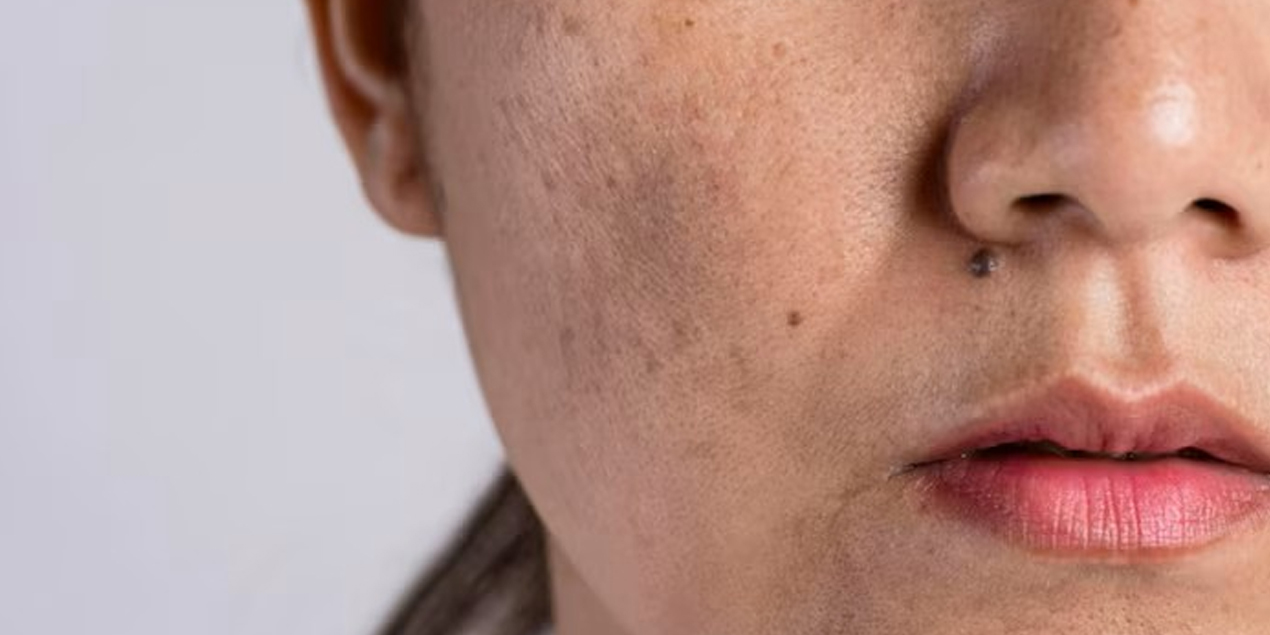
Skin pigmentation—dark patches, melasma, or an uneven skin tone—is one of the most common concerns patients bring to us at The Skin Sensé. Hyderabad's intense sun, humidity, and pollution levels make the city's skin especially prone to melanin overproduction, which is why so many people search for the best pigmentation treatment in Hyderabad rather than relying on trial-and-error home remedies.
The right approach combines two things: a strong daily skincare foundation, and — when pigmentation is stubborn, hormonal, or long-standing — clinically supervised treatment from an experienced dermatologist. This guide covers both, along with realistic answers on melasma laser treatment cost in Hyderabad, what actually works, and how to choose the right clinic.
🔑 Key Takeaways
- Sunscreen is non-negotiable: No treatment, home or clinical, works without daily SPF 30+ protection
- Diagnosis matters: Melasma, PIH, and sun-induced pigmentation each need a different protocol
- Laser isn't one-size-fits-all: Q-switched, fractional, and peel-based approaches suit different skin depths and tones
- Cost varies by cause and depth: Pigmentation laser treatment cost in Hyderabad typically ranges from a few thousand rupees to ₹15,000+ per session, depending on technology and severity
- See a dermatologist if pigmentation persists beyond 12 weeks of home care, spreads, or changes in texture or colour
What Causes Skin Pigmentation?
Pigmentation develops when melanocytes — the skin's pigment-producing cells — go into overdrive and deposit excess melanin in specific areas. In Hyderabad, this is very often accelerated by year-round UV exposure, but the underlying triggers vary from patient to patient.
🔍 Common Causes of Hyperpigmentation
- Sun and heat exposure: UV rays are the single biggest trigger, and Hyderabad's climate means near-constant exposure
- Hormonal changes: Pregnancy, contraceptive use, or thyroid and hormonal imbalance frequently trigger melasma
- Post-inflammatory marks: Acne, waxing injuries, or any skin inflammation can leave dark marks behind
- Age spots: Cumulative sun damage over the years causes solar lentigines
- Genetics: Family history plays a real role in who develops stubborn pigmentation
- Medication-related photosensitivity: Certain drugs make skin more reactive to sunlight
"In my 13+ years of practice, the pigmentation cases that frustrate patients most are the ones that were never properly diagnosed. Melasma, PIH, and sun-induced pigmentation look similar on the surface but respond to completely different treatments. That's why an accurate diagnosis — not a generic serum — is where real results begin." — Dr. Alekya Singapore, Founder & Chief Dermatologist, The Skin Sensé
Why an Accurate Diagnosis Comes Before Any Treatment
Before discussing methods, it's worth pausing on why so many people who search for skin pigmentation treatment in Hyderabad end up disappointed with over-the-counter products. Melasma sits deeper in the skin and is often hormonally driven; post-inflammatory hyperpigmentation is more superficial and self-resolving with the right actives; sun-induced pigmentation and age spots respond well to exfoliation and light-based treatments. Using the wrong approach — say, an aggressive peel on active melasma — can actually worsen the condition through rebound pigmentation.
This is precisely why patients searching for the best dermatologist in Hyderabad for pigmentation are better served by a clinical consultation than by product-hopping. A dermatologist examines the depth, pattern, and distribution of pigmentation (sometimes under Wood's lamp examination) before recommending a protocol — which saves both time and money in the long run.
6 Proven Ways to Treat Skin Pigmentation
1 Make Sunscreen Non-Negotiable
Sunscreen is the foundation of every pigmentation protocol, whether it's home care or an in-clinic laser series. Without consistent SPF, melanin production keeps getting re-triggered, undoing weeks of progress. UV rays penetrate clouds, car windows, and even light cloud cover, so protection is needed daily — not just on sunny days.
2 Chemical Exfoliation with AHAs
Glycolic and lactic acid exfoliants speed up cell turnover, helping pigmented surface cells shed faster and reveal more even-toned skin underneath. Unlike physical scrubs, chemical exfoliants don't cause micro-tears that can worsen pigmentation.
3 Rebuild the Skin Barrier
A compromised skin barrier means more inflammation — and inflammation feeds pigmentation. Ceramide- and hyaluronic acid-based moisturisers support barrier repair and make actives like retinol and Vitamin C more tolerable.
4 Retinol for Cell Turnover
Retinol accelerates the shedding of pigmented cells and interrupts melanin transfer to the skin's surface, while also stimulating collagen. It remains one of the most evidence-backed ingredients for long-term pigmentation control.
5 Targeted Brightening Actives
Ingredients that inhibit tyrosinase (the enzyme driving melanin production) work well alongside exfoliation and retinol:
Vitamin C
Antioxidant + melanin inhibitor
Niacinamide
Blocks melanin transfer
Kojic Acid
Tyrosinase inhibitor
Alpha Arbutin
Stable, gentler melanin blocker
Tranexamic Acid
Particularly effective for melasma
Licorice Extract
Gentle brightening for sensitive skin
6 Avoid Products That Trigger Inflammation
Harsh, fragranced, or irritating products can actually worsen pigmentation by triggering post-inflammatory hyperpigmentation — creating a cycle where the "treatment" is the problem.
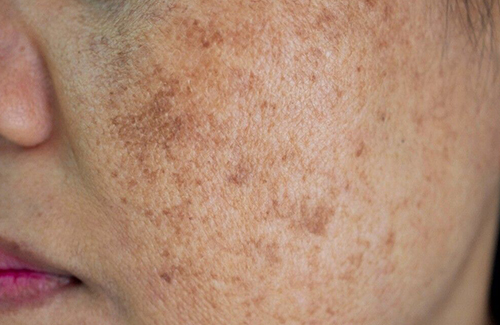
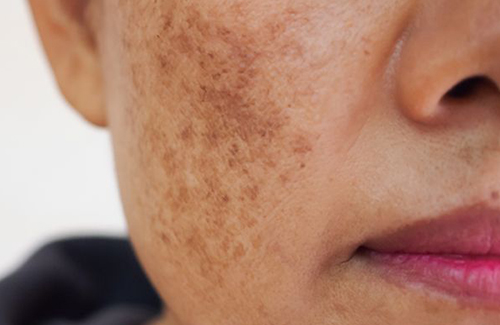
Melasma vs. PIH vs. Sun-Induced Pigmentation: Know the Difference
Because so much of this guide depends on getting the diagnosis right, it's worth understanding what actually separates the three most common types of pigmentation dermatologists see in Hyderabad.
Melasma typically appears as symmetrical brown or greyish-brown patches on the cheeks, forehead, upper lip, or chin. It's driven by hormones (pregnancy, birth control, thyroid conditions) and worsened dramatically by heat and visible light — not just UV. This is why melasma patients often notice flare-ups after time outdoors even with sunscreen on, or after standing near heat sources like stoves or hair dryers. Melasma sits deeper in the skin than most people realise, which is exactly why it's more resistant to over-the-counter products and why aggressive, poorly-planned treatment can trigger rebound pigmentation.
Post-inflammatory hyperpigmentation (PIH) shows up after any skin injury or inflammation — acne, insect bites, waxing, eczema flares, or even a bad breakout of folliculitis. It tends to appear as flat, dark marks exactly where the original inflammation was, and unlike melasma, it usually fades on its own over months if the skin is protected from further irritation and sun exposure. PIH responds very well to a combination of gentle exfoliation, brightening actives, and consistent sunscreen.
Sun-induced pigmentation (including solar lentigines, or "age spots") develops from years of cumulative UV exposure and tends to appear on frequently exposed areas — face, forearms, backs of hands. These are usually more superficial than melasma and respond well to chemical peels and laser toning with fewer sessions.
Knowing which category your pigmentation falls into changes everything about the treatment plan — which is exactly why a proper consultation, rather than a generic "pigmentation cream," is the better starting point.
What Actually Happens in a Pigmentation Consultation
Many patients searching for skin pigmentation treatment in Hyderabad aren't sure what a dermatology consultation for pigmentation actually involves, which can make the first visit feel intimidating. In practice, it's a fairly straightforward process:
- History-taking — your dermatologist will ask about onset, triggers (pregnancy, contraceptive use, sun exposure, skincare products used), and any previous treatments tried
- Skin examination — often using a Wood's lamp or dermatoscope to assess how deep the pigmentation sits (epidermal vs. dermal vs. mixed), which directly determines whether laser, peels, or topical therapy will work best
- Photography — baseline images are typically taken to track progress objectively over the following weeks
- Treatment planning — a combination protocol is usually recommended rather than a single treatment, since pigmentation responds best to layered approaches (for example: laser toning sessions + a home regimen of sunscreen, tranexamic acid, and retinol)
- Realistic timeline setting — a good dermatologist will tell you upfront how many sessions to expect and how melasma, in particular, needs long-term maintenance rather than a one-time fix
This structured approach is what separates a proper dermatology clinic from a walk-in aesthetic centre offering a single "pigmentation package" regardless of diagnosis.
When At-Home Care Isn't Enough: Professional Pigmentation Treatment in Hyderabad
At-home routines work well for mild, recent, or sun-induced pigmentation. But melasma, deep-set PIH, or pigmentation that hasn't responded to 12 weeks of consistent care usually needs clinical intervention. This is where laser and peel-based treatments come in — and where most patients start researching pigmentation laser treatment cost in Hyderabad before booking a consultation.
Laser Toning (Q-Switched Nd:YAG)
The most widely used laser for pigmentation in India, Q-switched laser toning delivers short pulses of energy that break down excess melanin into fragments your body naturally clears. It's effective for melasma, age spots, and stubborn dark patches, with minimal downtime.
Fractional Laser / Laser Resurfacing
Used for deeper or more textured pigmentation, fractional lasers work at a slightly deeper skin level to stimulate collagen remodelling alongside pigment reduction.
Chemical Peels
Medium-depth peels (glycolic, salicylic, or TCA-based) are often layered into a laser protocol for patients with superficial pigmentation or acne-related dark marks, and are gentler on sensitive or melasma-prone skin.
Oral and Topical Adjuncts
Dermatologists may prescribe oral tranexamic acid, hydroquinone, or tretinoin-based combinations alongside in-clinic sessions for stubborn or hormonally driven melasma — always under supervision, since these are prescription-strength.
Melasma & Pigmentation Laser Treatment Cost in Hyderabad
This is one of the most-asked questions we get, so here's an honest breakdown. Melasma laser treatment cost in Hyderabad typically depends on four factors: the type of laser or technology used, the number of sessions required, the depth and severity of pigmentation, and the dermatologist's experience level.
| Treatment Type | Typical Cost Range (per session) | Sessions Usually Needed |
|---|---|---|
| Topical prescription creams | ₹500 – ₹3,000/month | Ongoing |
| Chemical peels | ₹1,500 – ₹6,000 | 4–8 sessions |
| Q-switched laser toning | ₹3,000 – ₹15,000 | 4–8 sessions |
| Fractional/advanced laser | ₹5,000 – ₹20,000 | Varies by severity |
These are general Hyderabad market ranges gathered for reference — actual pricing depends on your specific diagnosis and treatment plan, which is why an in-person consultation matters more than a quoted number online.
Why Hyperpigmentation Laser Treatment Cost Varies So Much
The hyperpigmentation laser treatment cost you see quoted online can look wildly inconsistent between clinics — and that's usually because it depends on:
- Depth of pigmentation — epidermal (superficial) pigmentation clears faster and cheaper than dermal (deeper) pigmentation
- Treatment area size — a small patch costs less than full-face treatment
- Number of sessions — most protocols need 4–8 sessions, spaced 3–4 weeks apart
- Technology used — advanced platforms and combination protocols (laser + peels + oral therapy) cost more but often achieve faster, more lasting results
- Dermatologist expertise — an experienced dermatologist reduces the risk of rebound pigmentation, which ultimately saves money on repeat treatment
Why Choose The Skin Sensé for Pigmentation Treatment in Hyderabad
If you're comparing clinics for the best pigmentation treatment in Hyderabad, a few things are worth checking: is the treatment plan diagnosis-led or generic? Is it dermatologist-administered, and is that dermatologist actually qualified in cosmetic dermatology? And does the clinic combine in-office treatment with a sustainable at-home routine, rather than just selling sessions?
At The Skin Sensé, Dr. Alekya Singapore — recognised as India's 1st Dermapreneur and among India's Top 10 Dermatologists — leads a diagnosis-first approach for every pigmentation case, combining advanced in-clinic protocols with a personalised skincare plan. Conveniently located in Banjara Hills, the clinic is easily accessible for patients across Hyderabad seeking a best dermatologist in Hyderabad for pigmentation consultation.
Aftercare: What to Expect After Laser or Peel Sessions
Patients often assume the treatment itself is the hard part, but aftercare is what actually determines whether results last. After a laser toning or chemical peel session, skin is temporarily more sensitive to sun and irritation, so a few precautions matter:
- Strict sun avoidance for 48–72 hours, and diligent SPF thereafter — this single habit prevents more relapse than any other single factor
- Skip active ingredients (retinol, AHAs, Vitamin C) for a few days post-procedure until any redness settles, unless your dermatologist advises otherwise
- Expect mild redness or a warm sensation for a few hours after laser toning — this is normal and settles quickly
- Don't skip follow-up sessions, even if early results look promising — pigmentation, especially melasma, tends to relapse if the full protocol isn't completed
- Maintenance matters more than the initial series — most dermatologists recommend a lighter maintenance schedule (occasional touch-up sessions, ongoing sunscreen and brightening actives) to keep results stable long-term
Hyderabad's Climate and Why Local Factors Matter
Pigmentation treatment isn't one-size-fits-all across geographies, and Hyderabad's specific climate plays a real role in how melasma and sun-induced pigmentation behave here. Long, intense summers with high UV index, combined with a humid monsoon season, mean that:
- UV exposure is near-constant for most of the year, not just during peak summer — which is why year-round sunscreen use (not just seasonal) is essential for anyone undergoing pigmentation treatment
- Heat itself is a melasma trigger, independent of sun exposure — commutes, two-wheeler rides, and outdoor work in Hyderabad's heat can worsen melasma even with sunscreen applied, since heat stimulates melanocyte activity directly
- Humidity affects product formulation choices — heavier creams can feel uncomfortable and may need to be swapped for gel-based actives during warmer months
- Air pollution and dust in high-traffic areas can contribute to inflammation-driven pigmentation, making barrier-repair steps (see method #3 above) particularly relevant for Hyderabad residents
This is one of the reasons a dermatologist practising locally — who sees these climate-specific patterns daily — is often better positioned to set realistic expectations than generic advice found online.
Common Myths About Pigmentation Treatment
A few misconceptions come up repeatedly in consultations, and clearing them up can save patients both time and money:
"Natural remedies work just as well as clinical treatment." Ingredients like lemon juice, turmeric, or besan are often recommended informally, but they can be irritating and, in some cases, worsen pigmentation through inflammation. They're not a substitute for evidence-based actives or professional treatment for anything beyond very mild, superficial marks.
"Laser treatment gives permanent, one-time results." Laser toning is highly effective, but pigmentation — especially melasma — is a chronic condition that can recur without ongoing sun protection and maintenance. "Permanent" is rarely an accurate expectation to set.
"More sessions, more aggressive settings, faster results." Overtreating pigmented skin, particularly melasma, can backfire and trigger rebound pigmentation or post-inflammatory marks from the treatment itself. This is why dermatologist-led, conservative protocols tend to outperform aggressive one-off treatments long-term.
"Darker skin tones can't get laser treatment safely." With the right laser parameters and an experienced dermatologist, most skin tones can be treated safely. This is precisely where clinic expertise matters — incorrect settings for melanin-rich skin are what cause complications, not the technology itself.
Diet, Lifestyle, and Supporting Habits
While no diet cures pigmentation, some habits genuinely support treatment outcomes:
- Antioxidant-rich foods (berries, leafy greens, nuts) help combat oxidative stress that contributes to melanin overproduction
- Adequate hydration supports overall skin barrier function and healing between treatment sessions
- Physical sun barriers — wide-brimmed hats, UV-protective umbrellas, and scarves — meaningfully reduce UV and heat exposure during Hyderabad commutes, complementing sunscreen rather than replacing it
- Stress management matters more than people expect, since stress hormones can influence melanocyte activity and worsen hormonally-driven melasma
- Consistent sleep and skincare routine — inconsistent use of actives is one of the most common reasons home treatment "doesn't work," when in reality it was never given the full 8–12 week window needed to show results
When to See a Dermatologist
While at-home methods help mild to moderate pigmentation, book a consultation if you notice:
- Melasma that isn't responding to topical treatment
- Pigmentation lasting more than 6 months without improvement
- Rapidly changing spots, which need medical evaluation
- Large or spreading pigmented areas
- No visible change after 12 weeks of consistent at-home care
Professional treatments like chemical peels, laser therapy, microneedling, or prescription-strength products (hydroquinone, tretinoin) can provide faster, more dramatic results for stubborn pigmentation.
Frequently Asked Questions
What is the best pigmentation treatment in Hyderabad?
The best approach combines an accurate diagnosis with the right technology for your pigmentation type — Q-switched laser toning for melasma and age spots, chemical peels for superficial or acne-related marks, and a supporting at-home routine of sunscreen, retinol, and brightening actives. A dermatologist consultation ensures you're not paying for a generic protocol that doesn't match your specific condition.
What is the melasma laser treatment cost in Hyderabad?
Melasma laser treatment cost in Hyderabad generally ranges from ₹3,000 to ₹15,000 per session, depending on the laser technology, treatment area, and number of sessions (typically 4–8). Melasma often requires combination therapy — laser alongside topical or oral treatment — since it's a chronic, recurring condition. A dermatologist consultation will give you an accurate, personalised quote.
How much does pigmentation laser treatment cost in Hyderabad?
Pigmentation laser treatment cost in Hyderabad typically ranges from ₹3,000 to ₹20,000 per session depending on the laser type (Q-switched vs. fractional), pigmentation depth, and treatment area. Superficial pigmentation is generally quicker and more affordable to treat than deep dermal pigmentation like melasma.
Who is the best dermatologist in Hyderabad for pigmentation?
Look for a board-certified dermatologist with specific experience in pigmentation disorders — not just general aesthetics. Dr. Alekya Singapore at The Skin Sensé, Banjara Hills, has over 13 years of experience in clinical and cosmetic dermatology with a diagnosis-first approach to pigmentation, melasma, and post-inflammatory hyperpigmentation.
Can pigmentation be removed permanently?
Pigmentation can be significantly reduced, but whether it returns depends on the underlying cause. Post-inflammatory hyperpigmentation (from acne, for instance) often resolves fully. Melasma, however, is chronic and hormonally influenced — it responds very well to treatment but needs ongoing sun protection and maintenance to prevent recurrence.
How many sessions of laser toning are needed for pigmentation?
Most patients need 4–8 sessions of laser toning, spaced 3–4 weeks apart, depending on the depth and severity of pigmentation. Your dermatologist will confirm the exact number after assessing your skin.
Struggling with Stubborn Pigmentation?
If at-home care isn't giving you the results you want, a proper diagnosis is the next step. Dr. Alekya Singapore and the team at The Skin Sensé combine advanced in-clinic protocols with personalised skincare plans for lasting results.
📍 Location: Banjara Hills, Hyderabad
⏰ Hours: Mon-Sat, 10 AM – 5 PM

About the Author: Dr. Alekya Singapore
Founder & Chief Dermatologist, The Skin Sensé
Dr. Alekya Singapore is an award-winning dermatologist with over 13 years of experience in clinical, cosmetic, and procedural dermatology. Recognized as India's 1st Dermapreneur by Times Network (2025) and named among India's Top 10 Dermatologists, she holds qualifications including MBBS, DDVL, FAM, FPD (USA), FDM (UK), MBA (Manipal), and AMPH (ISB).
She specializes in treating pigmentation disorders including melasma, post-inflammatory hyperpigmentation, and age spots using a comprehensive approach that combines at-home care with professional treatments.