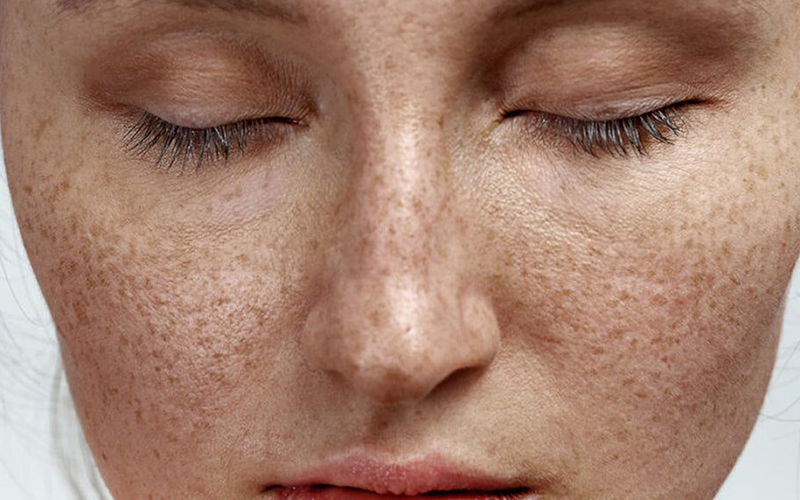
Pigmentation Treatment in Hyderabad
Pigmentation can appear as dark spots, brown patches, uneven skin tone or areas of discoloration on the face and other parts of the body. Common concerns include melasma, sun-related pigmentation and post-inflammatory hyperpigmentation following acne or skin inflammation. The right treatment depends on the type, depth and cause of the pigmentation, making a professional skin assessment an important first step.
At The Skin Sensé in Banjara Hills, Hyderabad, Dr. Alekya Singapore provides dermatologist-guided care for pigmentation and uneven skin tone. Depending on the individual concern, treatment may include prescription skincare, chemical peels, laser or light-based procedures, microneedling and other suitable options.
The goal of pigmentation treatment is not simply to make the skin appear lighter. The focus is on understanding the underlying cause, reducing visible pigmentation, improving overall skin tone and supporting long-term skin health through suitable skincare and sun protection.
What Is Skin Pigmentation?
Skin pigmentation refers to changes in the colour of the skin caused by differences in melanin production and distribution. When the skin produces excess melanin in a particular area, it can result in darker patches or spots known as hyperpigmentation.
Pigmentation can develop because of sun exposure, hormonal changes, acne and other inflammation, skin injuries, genetics or certain medications. The appearance and depth of pigmentation can vary from person to person. Some pigmentation may be superficial, while deeper pigmentation can take longer to improve.
Different pigmentation concerns can sometimes look similar. A dermatologist can assess the pattern and appearance of the pigmentation to determine the likely cause and develop an appropriate treatment plan.
Common Types of Pigmentation We Treat
Pigmentation is not the same for everyone. Identifying the type and possible cause of pigmentation can help determine which treatment approach may be appropriate.
Melasma
Melasma usually appears as brown or grey-brown patches, commonly on the cheeks, forehead, nose and upper lip. Sun exposure and hormonal factors can contribute to melasma, and the condition can be persistent or recurrent.
Post-Inflammatory Hyperpigmentation
Post-inflammatory hyperpigmentation can develop after acne, irritation, injury or another inflammatory skin condition. Darker marks may remain after the original skin problem has improved.
Sunspots
Repeated sun exposure can contribute to localized darker spots, particularly on areas that receive frequent sunlight. A dermatologist can assess these spots before recommending treatment.
Freckles
Freckles are small pigmented spots that can become more noticeable with sun exposure. Their appearance and treatment options vary depending on the individual.
Dark Spots and Uneven Skin Tone
Dark spots may develop after acne, inflammation or sun exposure and can contribute to an uneven complexion. Treatment is selected according to the cause and characteristics of the pigmentation.
What Causes Pigmentation?
Several factors can contribute to pigmentation. Understanding the possible trigger is important when planning treatment and prevention.
- Sun Exposure: Ultraviolet exposure can contribute to increased pigmentation and darkening of existing spots.
- Hormonal Changes: Hormonal factors can contribute to conditions such as melasma.
- Acne and Inflammation: Inflammation can leave darker marks after acne and other skin conditions improve.
- Skin Injuries: Cuts, burns, irritation and other injuries can sometimes result in post-inflammatory pigmentation.
- Genetic Factors: Some individuals are naturally more prone to freckles and pigmentation.
- Medications and Other Factors: Certain medications and underlying conditions may contribute to changes in skin pigmentation.
Pigmentation Treatment Options
There is no single pigmentation treatment that is suitable for every patient. Depending on the diagnosis, skin type, pigmentation depth and contributing factors, a dermatologist may recommend one treatment or a combination of approaches.
Prescription Topical Treatments
Dermatologist-prescribed topical treatments may help reduce excess pigmentation and improve uneven skin tone. The choice of active ingredients and duration of treatment depends on the individual's condition and skin sensitivity.
Chemical Peels
Selected chemical peels can help improve certain types of superficial pigmentation by promoting controlled exfoliation and skin renewal. The type and strength of the peel should be selected according to the patient's skin and pigmentation.
Laser and Light-Based Treatments
Certain laser or light-based procedures may be considered for selected pigmentation concerns. Treatment settings need to be carefully chosen because inappropriate treatment can cause irritation or worsening pigmentation, particularly in skin that is more prone to post-inflammatory pigmentation.
Microneedling
Microneedling may be considered as part of a dermatologist-guided treatment plan for selected pigmentation and skin-texture concerns. Whether it is appropriate depends on the diagnosis and individual skin characteristics.
Combination Treatment
Some pigmentation concerns may benefit from a combination of topical treatment, procedures and consistent sun protection. The combination is selected based on the patient's diagnosis rather than using the same treatment protocol for everyone.
Our Pigmentation Treatment Options
Topical Treatments
Dermatologist-recommended formulations may help manage pigmentation and improve uneven skin tone as part of an individualized skincare plan.
Chemical Peels
Selected peels can help improve superficial pigmentation and support skin renewal when appropriately chosen for the skin.
Laser Therapy
Selected laser treatments may be considered for specific pigmentation concerns after appropriate assessment of the skin.
Microneedling
Microneedling may be considered for selected pigmentation and skin texture concerns as part of a personalized treatment plan.
How We Plan Pigmentation Treatment
Effective pigmentation treatment begins with understanding why the pigmentation developed. Dark spots and uneven skin tone can have different causes, and treating the visible pigmentation without addressing the underlying trigger may not provide the desired long-term improvement.
1. Detailed Skin Assessment
The first step is a consultation with the dermatologist to understand your pigmentation concern, when it started, whether it is changing and whether you have experienced acne, irritation, hormonal changes or significant sun exposure. Your current skincare routine and previous treatments may also be discussed.
2. Identifying the Type and Cause
Melasma, post-inflammatory hyperpigmentation, sun-related pigmentation and other forms of discoloration can sometimes appear similar. A dermatologist can assess the pattern and appearance of the pigmentation and determine whether further examination is required.
3. Choosing a Personalized Treatment Approach
Once the pigmentation has been assessed, treatment can be planned according to the individual's skin characteristics and goals. Some patients may require a prescription skincare routine, while others may be considered for chemical peels, laser or light-based procedures, microneedling or a combination of treatments.
4. Sun Protection Is an Important Part of Treatment
Sun protection is an important part of managing pigmentation. UV exposure can contribute to the development and darkening of pigmentation, while visible light may also worsen melasma and dark spots in some people.
Consistent sun protection is especially important after pigmentation procedures because recently treated or irritated skin may be more vulnerable to developing additional discoloration. Your dermatologist can recommend a sunscreen and skincare routine appropriate for your skin type and treatment plan.
5. Avoiding Unsupervised Pigmentation Treatments
Using multiple strong skin-lightening products without professional guidance can sometimes irritate the skin and make discoloration more noticeable. If a product causes persistent burning, stinging or irritation, it is important to review the routine with a dermatologist.
6. Results and Maintenance
Pigmentation often takes time to improve, and the response varies according to the type and depth of pigmentation, its underlying cause and the treatment approach. Melasma in particular can be persistent and may return after improvement.
For this reason, treatment may include maintenance skincare and continued sun protection rather than stopping all care once the pigmentation becomes less visible.
Pigmentation Treatment for Indian Skin
Skin that is more prone to pigmentation may require careful treatment planning. Certain procedures, if used inappropriately, can cause irritation and may increase the risk of post-inflammatory pigmentation.
At The Skin Sensé, treatment is planned according to the individual's pigmentation pattern, skin characteristics, previous treatment history and overall skin condition. The objective is to manage pigmentation while maintaining the health and integrity of the skin.
Pigmentation Treatment in Banjara Hills, Hyderabad
The Skin Sensé is located in Banjara Hills, Hyderabad, and provides dermatologist-guided care for pigmentation, melasma, dark spots and uneven skin tone. Patients looking for pigmentation treatment in Banjara Hills can consult Dr. Alekya Singapore for an assessment of their skin concern and discuss suitable treatment options.
The clinic's approach focuses on understanding the cause of pigmentation before selecting treatment. Depending on the condition, the treatment plan may involve prescription skincare, chemical peels, laser or light-based procedures, microneedling or a combination approach along with appropriate sun protection.
Skin Brightening and Uneven Skin Tone
Skin brightening treatment is often sought by people who notice dullness, uneven skin tone or dark marks left behind by acne and sun exposure. A dermatologist-guided approach focuses on identifying the reason for the uneven tone and improving the overall appearance of the skin rather than attempting to change its natural colour.
Depending on the skin concern, a treatment plan may include appropriate skincare, pigmentation management, chemical peels or other dermatologist-selected procedures. Consistent sun protection and a gentle skincare routine are also important for maintaining an even-looking complexion.
What to Expect During Pigmentation Treatment
- Consultation: Your pigmentation, skin type, medical history, skincare routine and previous treatments may be assessed.
- Diagnosis: The dermatologist identifies the likely type and contributing factors of pigmentation.
- Personalized Plan: Suitable skincare, procedures or combination treatment options may be recommended.
- Aftercare: You may receive guidance on skincare, sun protection and post-treatment care.
- Follow-Up: Your response to treatment can be reviewed and the plan adjusted when required.
How to Prevent Pigmentation from Returning
Pigmentation management does not end after a procedure. Daily skin protection and appropriate skincare can be important for maintaining improvement and reducing the factors that contribute to pigmentation.
- Use a broad-spectrum sunscreen as recommended by your dermatologist.
- Limit prolonged and unnecessary sun exposure.
- Follow the skincare routine recommended for your skin type.
- Avoid excessive scrubbing or products that cause persistent irritation.
- Seek professional advice for persistent or recurring pigmentation.
Pigmentation Treatment Results and Recovery
The response to pigmentation treatment varies between individuals. Factors such as the type of pigmentation, depth, underlying cause, skin type, treatment method and consistency with aftercare can influence the outcome.
Some procedures may cause temporary redness, sensitivity or mild peeling depending on the treatment used. Your dermatologist will provide appropriate aftercare instructions and advise when follow-up is required.
Conditions such as melasma can be persistent and may require ongoing management. Consistent sun protection and a suitable maintenance skincare routine can be important parts of long-term pigmentation care.
How Much Does Pigmentation Treatment Cost in Hyderabad?
The cost of pigmentation treatment in Hyderabad varies depending on the type of pigmentation, treatment area, severity, procedure selected and number of sessions that may be required. Topical treatment, chemical peels and procedural treatments can have different costs.
Since pigmentation is different for every patient, an accurate treatment plan and cost estimate can be provided after a dermatologist consultation. During your appointment, the dermatologist can explain the recommended approach, expected number of sessions where applicable, aftercare and associated costs.
Why Choose The Skin Sensé for Pigmentation Treatment?
- Dermatologist-Guided Care: Pigmentation concerns are assessed before selecting an appropriate treatment approach.
- Personalized Treatment: Treatment is planned according to the individual's skin condition, pigmentation type and goals.
- Indian Skin Consideration: Treatment planning considers skin characteristics and the risk of post-inflammatory pigmentation.
- Multiple Treatment Options: Depending on the condition, treatment may include skincare, peels, laser or other dermatologist-selected procedures.
- Long-Term Management: Appropriate maintenance and sun protection can be included as part of pigmentation care.
- Experienced Dermatology Care: Dr. Alekya Singapore provides dermatology and aesthetic skin care at The Skin Sensé.
Is Pigmentation Treatment Right for You?
If you are experiencing melasma, sunspots, post-acne marks, freckles, dark spots or uneven skin tone, professional assessment can help determine the most appropriate treatment approach.
A dermatologist consultation may be particularly useful if your pigmentation is persistent, repeatedly returns, changes in appearance, or has not improved with over-the-counter skincare products.
- You want professional assessment of persistent pigmentation.
- You have dark spots following acne or inflammation.
- You are concerned about melasma or uneven skin tone.
- You want a dermatologist-guided skincare and treatment plan.
- You want to understand suitable treatment options before undergoing a procedure.
Looking for Pigmentation Treatment in Hyderabad?
If pigmentation, dark spots or uneven skin tone is affecting your confidence, a dermatologist consultation can help identify the underlying concern and suitable treatment options. At The Skin Sensé, Banjara Hills, Dr. Alekya Singapore provides personalized dermatology care based on your skin condition and treatment goals.
Book a consultation to discuss your pigmentation concern and understand which treatment approach may be appropriate for your skin.
Frequently Asked Questions About Pigmentation Treatment
Pigmentation can be associated with sun exposure, hormonal changes, acne and inflammation, skin injuries, genetics and certain medications. A dermatologist can assess the likely cause and recommend appropriate treatment.
The appropriate treatment depends on the type, cause and depth of pigmentation, as well as the individual's skin type. Depending on the condition, treatment may include prescription skincare, chemical peels, laser or light-based procedures, microneedling or a combination approach.
The time required varies depending on the type and depth of pigmentation, its underlying cause and the treatment plan. Some pigmentation concerns may gradually improve over time, while conditions such as melasma may require longer-term management.
Treatment can be planned according to the individual's skin type and pigmentation concern. A dermatologist can select appropriate treatment options and settings while considering the risk of post-inflammatory pigmentation.
Some pigmentation conditions, particularly melasma, can recur. Sun protection, appropriate skincare and dermatologist-recommended maintenance can help manage the risk of recurrence.
Melasma treatment is individualized and may include prescription topical treatments, sun protection, chemical peels or selected procedures depending on the patient's condition and skin characteristics.
The cost varies depending on the type of pigmentation, treatment area, procedure selected and number of sessions required. An individualized cost estimate can be discussed after a dermatologist consultation.
Pigmentation can often be improved, but some conditions can recur. Long-term management depends on the underlying cause, treatment plan, skincare and consistent sun protection.
Yes. The Skin Sensé provides dermatologist-guided pigmentation care at its clinic in Banjara Hills, Hyderabad. A consultation can help determine the appropriate treatment for your pigmentation concern.
Sun protection is an important part of pigmentation management. A dermatologist may also recommend suitable skincare and other protective measures depending on the individual's condition.
Looking for Pigmentation Treatment in Hyderabad?
Book a consultation with Dr. Alekya Singapore at The Skin Sensé, Banjara Hills.
Book Consultation