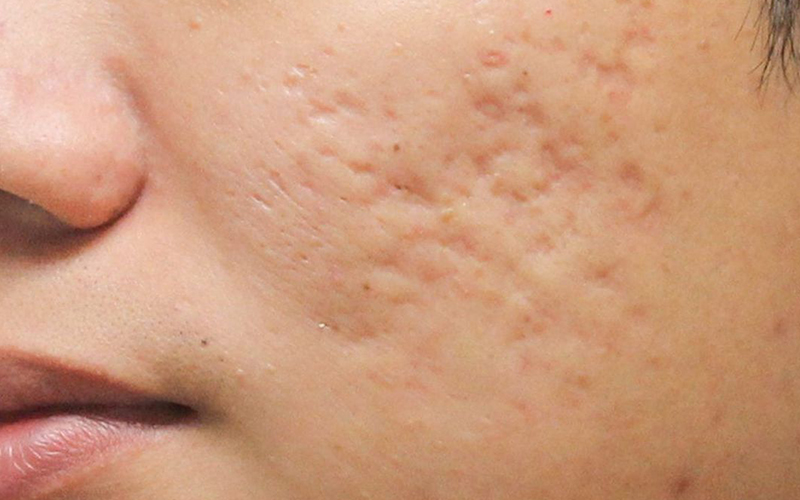
Scar Treatment in Hyderabad: Advanced Solutions for Smoother, Healthier Skin
Scars — whether from acne, injury, surgery, or an old accident — can affect your appearance and confidence, serving as a constant reminder of the past. The good news is that scars don't have to be permanent reminders. With the right scar treatment in Hyderabad, most scars can be significantly softened, flattened, and blended into the surrounding skin. At The Skin Sensé in Banjara Hills, Dr. Alekya Singapore combines laser therapy, microneedling, chemical peels, and surgical revision to deliver real, visible scar removal results — not temporary cover-ups.
If you've searched for the best treatment for scars and found nothing but generic creams and unclear promises, this guide breaks down exactly what causes different types of scars, which treatments actually work for each one, and what you can realistically expect from professional skin scar treatment.
Understanding Why Scars Form
A scar forms whenever the skin's deeper layer (the dermis) is damaged and the body repairs it with new collagen fibers. Unlike the surrounding skin, this new tissue is often laid down in a different pattern — sometimes too much collagen is produced (raised scars), and sometimes too little (depressed scars). The result is a visible, textured mark that doesn't match the surrounding skin tone or surface.
The way a scar heals depends on several factors: how deep the original injury was, your skin type and genetics, how the wound was cared for during healing, and — importantly — how quickly it was treated. This is exactly why an accurate diagnosis matters more than a generic scar removal treatment. Two scars that look similar on the surface can require completely different approaches underneath.
Types of Scars We Treat
Not all scars behave the same way, which is why treatment always starts with correctly identifying the scar type:
- Atrophic Scars – Depressed, pitted scars that sit below the surrounding skin, commonly caused by acne or minor injuries. These respond well to volumizing and resurfacing treatments.
- Hypertrophic Scars – Raised, thickened scars that stay within the boundary of the original wound. These often need treatments that soften and flatten excess tissue.
- Surgical Scars – Scars left behind from operations or medical procedures. Because they tend to follow a clean, linear pattern, surgical scars typically respond very well to resurfacing and remodeling treatments.
- Traumatic Scars – Scars from accidents, falls, or injuries, which can vary widely in depth, shape, and texture.
- Contracture Scars – Tight scars, often from burns, that pull on the skin and can restrict movement in the affected area.
Correctly classifying your scar is the single biggest factor in getting the best scar removal outcome — it determines which technology, or combination of technologies, will actually work for your skin.
Treatment Options
There's no single "one size fits all" answer when it comes to scar therapy. Instead, effective treatment usually draws from a toolkit of options, matched to your specific scar type:
- Fractional Laser – Stimulates collagen production for skin resurfacing, making it one of the most reliable options within laser treatment for scars.
- Microneedling – Creates controlled micro-injuries that trigger the skin's natural healing response, improving texture over a series of sessions.
- Chemical Peels – Exfoliate the outer skin layers and promote fresh, even-toned skin growth.
- Subcision – A minor procedure that releases tethered, bound-down scar tissue, often used for deeper atrophic scars.
- Dermal Fillers – Used to fill and lift depressed scars for an immediate improvement in surface contour.
- Surgical Revision – Recommended for large, complex, or contracture scars that need more than resurfacing alone.
Many patients achieve the best results through a scar removal laser treatment plan that layers two or more of these approaches — for example, fractional laser paired with microneedling — rather than relying on a single method.
Our Treatment Approach
Fractional Laser Resurfacing
Advanced laser technology to stimulate collagen production and improve skin texture. This is often the foundation of a broader laser therapy for scars plan, particularly effective for both atrophic and hypertrophic scars.
Microneedling With PRP
Stimulates natural healing and collagen regeneration for smoother skin texture. Platelet-rich plasma, drawn from your own blood, is used to accelerate the skin's repair process and enhance overall results.
Chemical Peels
Deep exfoliation to improve skin texture and reduce superficial scarring — a valuable addition for patients looking to improve tone and texture alongside their core scar reduction treatment.
Dermal Fillers
Immediate improvement for deep scars by lifting and smoothing depressed areas, offering a visible change even before the skin's own collagen remodeling process is complete.
What to Expect from Treatment
- Consultation – Every treatment plan begins with a thorough assessment of your scar type, depth, age, and skin characteristics, along with your treatment goals.
- Numbing – A topical anesthetic is applied before most procedures to keep the treatment comfortable.
- The Session – Depending on the chosen technology, sessions generally take 30–60 minutes.
- Recovery – Mild redness or sensitivity is common for a short period afterward, and most patients return to their normal routine within a day or two.
- Session Plan – Most patients require 3–6 sessions spaced 4–6 weeks apart, giving the skin time to remodel collagen naturally between visits.
How Many Sessions Will You Need?
The number of sessions required for skin scar treatment depends on your scar type, its depth, and your desired outcome. Superficial or newer scars often respond within 3–4 sessions, while deeper, older, or more complex scars may require the full 6-session course, sometimes combined with more than one treatment modality for optimal results. Your dermatologist will map out a realistic session plan after your initial assessment.
Which Treatment Is Best for Your Scar?
This is one of the most common questions patients ask, and the honest answer depends entirely on scar type:
- Hypertrophic or atrophic scars generally respond best to laser resurfacing.
- Textural irregularities across a broader area often improve most with microneedling.
- Large or complex scars, including contracture scars, may require surgical revision for meaningful improvement.
This is exactly why a proper diagnosis — not a generic package — is the foundation of effective scar removal treatment.
Why Choose The Skin Sensé?
- Expert Care – Dr. Alekya Singapore brings over 14+ years of experience treating all types of scars.
- Advanced Technology – Access to the latest laser and microneedling devices for safe, effective laser for scars treatment.
- Customized Plans – Every treatment plan is tailored to your specific scar type, rather than a one-size-fits-all package.
- Proven Results – Thousands of patients have seen meaningfully improved scars through The Skin Sensé's diagnosis-first approach.
Is Scar Treatment Right for You?
If you have visible atrophic, hypertrophic, surgical, traumatic, or contracture scars and you're looking for genuine, evidence-based improvement, professional treatment is worth exploring. Ideal candidates:
- Want a visible, lasting reduction in scar depth, texture, or color — not just camouflage
- Understand that significant improvement, rather than complete erasure, is the realistic outcome for most scars
- Are willing to commit to a multi-session treatment plan
- Prefer a dermatologist-guided approach over unregulated at-home devices
Frequently Asked Questions
While complete removal isn't always possible, most scars can be significantly reduced by 50-80%. Improvement depends on scar type, age, and treatment approach.
Most patients require 3-6 sessions spaced 4-6 weeks apart. The number depends on scar type, depth, and desired outcome.
Treatment depends on scar type - laser for hypertrophic or atrophic scars, microneedling for textural improvement, surgical revision for large scars.
Topical numbing is applied before procedures. Most patients describe mild discomfort that subsides quickly.
Initial improvement is visible after 2-4 weeks. Optimal results develop over 3-6 months as collagen remodels.
Ready for Smoother, Scar-Free Skin?
Whether you're dealing with acne scarring, a surgical scar, or an old injury, effective scar treatment in Hyderabad starts with an accurate diagnosis and a plan built around your specific skin. Book a consultation with Dr. Alekya Singapore at The Skin Sensé, Banjara Hills, and take the first step toward smoother, more even skin.
Book Consultation