Do Pimple Patches Really Work? What a Dermatologist Tells Her Patients
Quick answer
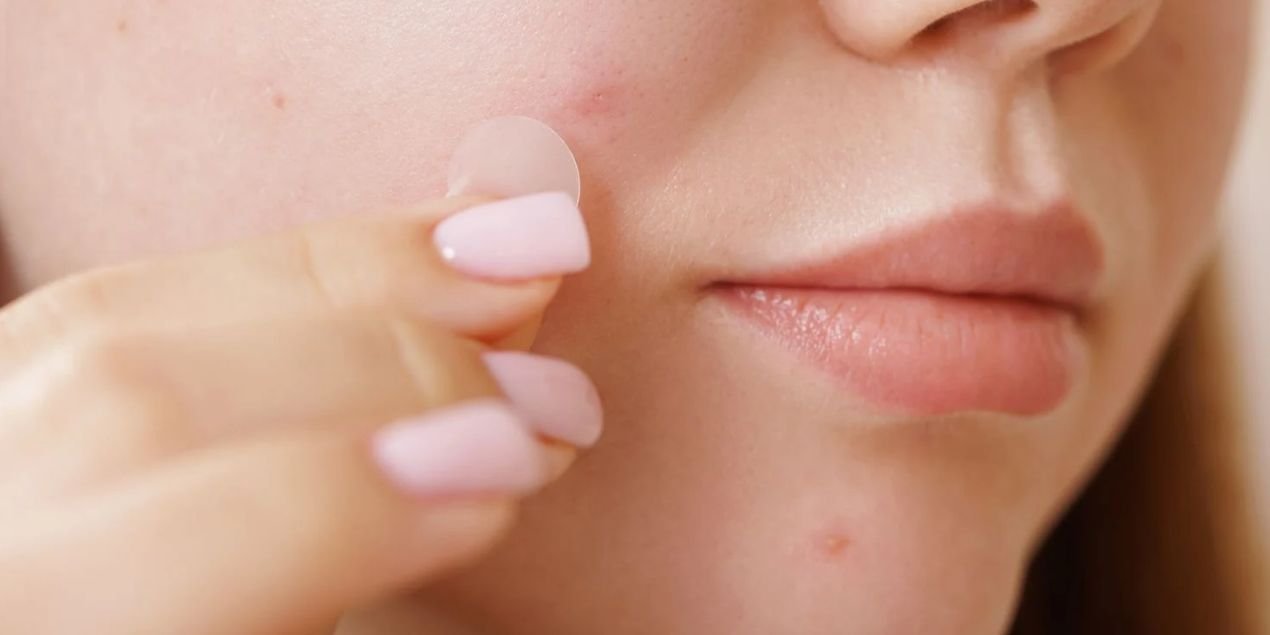
Yes, pimple patches work, but only on the right kind of pimple. Hydrocolloid patches absorb fluid from whiteheads and pus-filled or recently popped spots, protect the area from bacteria and dirt, and stop you from picking, so the spot heals faster with less marking. They do not cure acne, prevent new breakouts, or reach deep cystic pimples and blackheads. Think of them as a helpful extra, not a treatment plan.
As a dermatologist with over 13 years of experience, I see patients every week who have spent a lot of money on patches, serums and spot treatments without clear results. Pimple patches are one of the few products that really do something useful, but they are often used on the wrong type of pimple or expected to do too much. Here is the honest picture.
🔑 Key Takeaways
- Work best on: whiteheads, pus-filled pimples and freshly popped spots
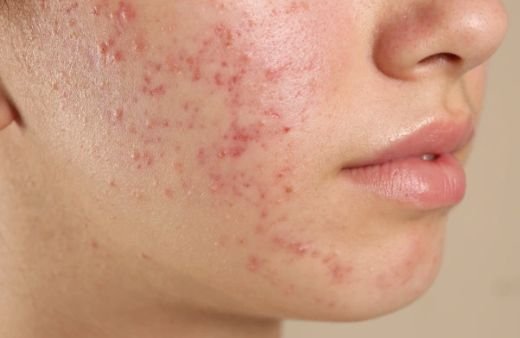
- Do not work well on: deep cystic or nodular acne, blackheads and widespread acne
- How they help: absorb fluid, protect the spot and stop picking
- Typical wear time: 6-8 hours or overnight; remove when the patch turns white
- Not a treatment for acne itself: frequent breakouts need a proper routine or medical treatment
How Do Pimple Patches Work?
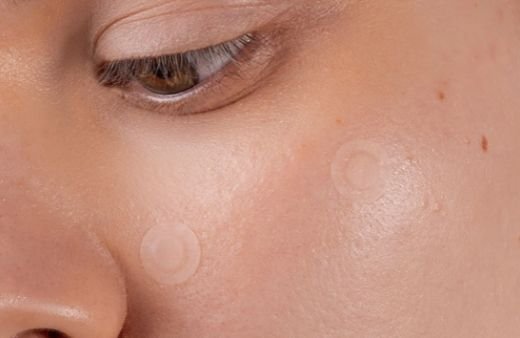
Most pimple patches are made of hydrocolloid, the same material used in some wound dressings. When placed on a pimple that has a surface opening or fluid, the patch draws out pus and oil and holds it inside, which is why it turns white or cloudy. At the same time it keeps the spot covered and moist, which supports healing and keeps your fingers away.
✨ 4 Real Benefits of Pimple Patches
- 💧 1. Absorb fluid: Hydrocolloid pulls out pus and oil from surface-level pimples, helping them flatten sooner.
- 🛡️ 2. Protect the spot: A barrier against dirt, makeup and bacteria on your hands while the skin heals.
- 🚫 3. Stop picking: This is the biggest benefit. Picking is a major cause of dark marks and scars, and a patch makes it harder to do.
- 🧴 4. Can carry actives: Some patches contain salicylic acid, tea tree oil or niacinamide, though the evidence for these medicated versions is more limited.
Which Pimples Do Patches Work On (and Which They Don't)?
| Type of spot | What it looks like | Do patches help? |
|---|---|---|
| Whitehead / pustule | Small raised bump with a white or yellow top | Yes, best response |
| Freshly popped pimple | Open, weeping spot | Yes, protects and absorbs fluid |
| Small red papule | Red bump without a head | Limited; may help by preventing picking |
| Blackhead | Open pore with dark plug | No; needs exfoliating acids or retinoids |
| Cystic / nodular acne | Deep, painful lump under the skin | No; needs medical treatment |
| Widespread breakouts | Many pimples across the face or body | No; patches cannot treat the cause |
"Pimple patches are one of the few over-the-counter products I am happy to see my patients use, mainly because they stop picking. But if you need a patch every week, the real problem is the acne, not the pimple." — Dr. Alekya Singapore
Types of Pimple Patches: Which One Should You Choose?
🧪 Common Types
- Plain hydrocolloid patches: the most reliable type for whiteheads and popped pimples, and generally gentle on skin.
- Medicated patches (salicylic acid, tea tree): may help mild inflamed spots, but can dry or irritate sensitive skin.
- Microneedle or microdart patches: designed to deliver ingredients into the spot. They may suit deeper pimples, but evidence is still limited, so choose a reputable brand.
- Day (thin/clear) vs night (thick) patches: thin patches can be worn under makeup; thicker ones absorb more and suit overnight use.
How to Use a Pimple Patch the Right Way
- Wash your hands and cleanse the face with a gentle cleanser.
- Pat the area completely dry. A patch will not stick to oily or wet skin.
- Apply the patch over the pimple and press gently for a few seconds. Do this before serums or creams.
- Leave it on for 6-8 hours or until it turns white or opaque.
- Peel it off gently from the edge. Do not tug or rip.
- Moisturize and use sunscreen in the morning to avoid dark marks.
What Pimple Patches Cannot Do
Patches treat one spot at a time. They do not reduce oil production, unclog pores, kill acne bacteria across the face or stop new pimples from forming. They also cannot remove existing marks or scars. If you keep getting breakouts, the fix is a proper acne routine and, in many cases, prescription treatment such as topical retinoids, antibiotics or other medicines chosen by a dermatologist. To weigh the advantages against the drawbacks in more detail, read our guide on pros and cons of treating active acne using pimple patches.
Do Patches Help Prevent Acne Scars and Dark Marks?
Partly. By keeping you from picking and by protecting the healing skin, patches may lower the chance of post-acne marks. But scarring mainly comes from deep, inflamed acne, and patches cannot stop that. Treating inflammatory acne early is the best way to protect your skin.
When to See a Dermatologist for Pimples
See a dermatologist if:
- You have deep, painful or cystic pimples
- Breakouts are frequent or widespread (face, chest or back)
- Pimples leave dark marks or scars
- Over-the-counter products have not helped after 8-12 weeks
- Acne appears suddenly and severely, or comes with irregular periods or excess hair growth
Treatment is tailored to your acne type and skin and may include prescription medicines, chemical peels, light-based therapy or scar treatments. If acne has already left marks, see our guide to acne scar treatment and our article on skin pigmentation treatment.
Frequently Asked Questions About Pimple Patches
Do pimple patches really work?
Yes, but only for certain pimples. Hydrocolloid patches work best on surface-level pimples such as whiteheads and pus-filled or recently popped spots, because they absorb fluid, protect the spot and stop you from picking. They do not treat the underlying cause of acne and do not work well on deep, painful cystic pimples or blackheads.
Kya pimple patch lagane se pimple chala jata hai?
Pimple patch surface par aaye whitehead ya pus wale pimple ko jaldi sukhane mein madad karta hai, lekin andar ke dard wale (cystic) pimple par kam asar karta hai. Patch lagane ke baad pimple ko chhuein ya phodein nahi. Agar pimple baar-baar aa rahe hain to dermatologist se milein.
Which pimples should I not use a pimple patch on?
Avoid patches on deep cystic or nodular acne, blackheads, open or infected skin, rashes, cold sores and broken skin that is bleeding or weeping heavily. These need a different treatment, and a patch may trap bacteria or irritate the skin.
How long should I leave a pimple patch on?
Most hydrocolloid patches are left on for 6 to 8 hours or overnight. Remove the patch once it turns white or opaque, which shows it has absorbed fluid. Follow the instructions on the pack.
Can I put a pimple patch on top of acne cream or serum?
Patches stick best on clean, dry skin, so apply them before creams or serums. If your dermatologist has prescribed a spot treatment, ask whether to apply it first and then cover it, as this depends on the product.
Are pimple patches safe for sensitive skin?
Plain hydrocolloid patches are generally gentle, but adhesive can irritate some people. Medicated patches with ingredients such as salicylic acid can cause dryness or redness. Patch test first and stop using the product if you notice burning, rash or swelling.
Do pimple patches prevent acne scars and dark marks?
They can reduce the risk of scarring and dark marks mainly by stopping you from picking and by keeping the spot protected while it heals. They cannot prevent scars from deep, inflamed acne. Early treatment of inflammatory acne by a dermatologist is the best way to prevent scarring.
When should I see a dermatologist instead of using pimple patches?
See a dermatologist if you get painful deep pimples, frequent breakouts, acne that leaves marks or scars, or if over-the-counter products have not helped after 8 to 12 weeks. Sudden severe acne, or acne with irregular periods or excess hair growth, also needs medical assessment.
Tired of Recurring Pimples?
If patches are only a temporary fix, Dr. Alekya Singapore and the team at The Skin Sensé can find what is driving your acne and build a personalized treatment plan.
📍 Location: Banjara Hills, Hyderabad
⏰ Hours: Mon-Sat, 10 AM – 5 PM
References
- Zaenglein AL, Pathy AL, Schlosser BJ, et al. Guidelines of care for the management of acne vulgaris. Journal of the American Academy of Dermatology. 2016;74(5):945-973.
- Reynolds RV, Yeung H, Cheng CE, et al. Guidelines of care for the management of acne vulgaris. Journal of the American Academy of Dermatology. 2024;90(5):1006.e1-1006.e30.
This article is for general education and is not a substitute for personal medical advice. Results vary from person to person.

About the Author: Dr. Alekya Singapore
Founder & Chief Dermatologist, The Skin Sensé
Dr. Alekya Singapore is an award-winning dermatologist with over 13 years of experience in clinical, cosmetic and procedural dermatology. Recognized as India's 1st Dermapreneur by Times Network (2025) and named among India's Top 10 Dermatologists, she holds qualifications including MBBS, DDVL, FAM, FPD (USA), FDM (UK), MBA (Manipal) and AMPH (ISB).
She specializes in acne, acne scars and pigmentation using evidence-based approaches that combine topical treatments with advanced clinical procedures.