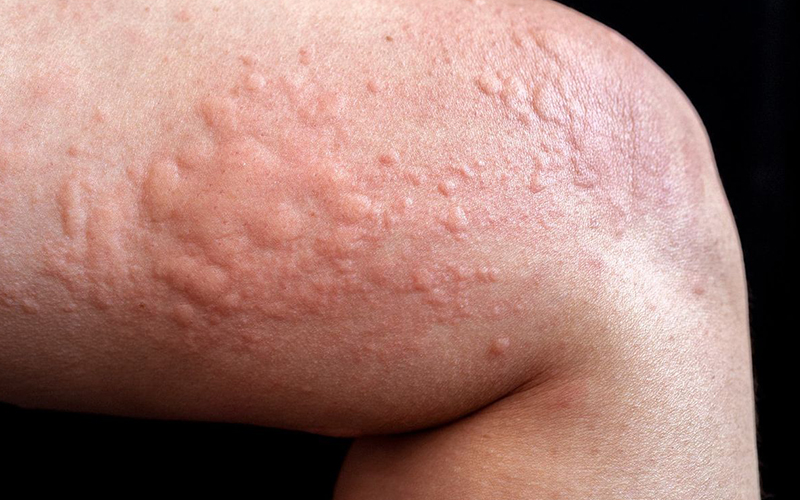
Child Skin Allergies Treatment in Hyderabad
Gentle, Evidence-Based Care for Every Type of Skin Allergy in Children
Watching your child scratch constantly, break out in unexplained rashes, or struggle with red, inflamed skin can be distressing for any parent. Childhood skin allergies are far more common than most parents realise, and if left unmanaged, they can affect sleep, school performance, confidence, and overall quality of life. At The Skin Sensé, Banjara Hills, Hyderabad, Dr. Alekya Singapore specialises in accurately diagnosing and gently treating skin allergies in infants, toddlers, and older children. With a child-friendly clinic environment, careful history-taking, and treatment plans tailored to each child's age and skin type, we help families move from frustration and guesswork to clarity and relief.
Whether your child has occasional hives after a snack, chronic eczema that flares every winter, or an unexplained rash after wearing new clothes or jewellery, our approach starts with identifying the root cause rather than simply masking the symptoms. We combine allergy testing, dermatological examination, and detailed parent counselling so that you leave the clinic not just with a prescription, but with a real understanding of what triggers your child's skin and how to prevent future flare-ups.
Common Skin Allergies in Children
Children's skin is thinner and more sensitive than adult skin, which makes it more reactive to irritants, allergens, and environmental changes. We regularly diagnose and treat the following allergic skin conditions in children of all ages:
- Eczema (Atopic Dermatitis): A chronic, relapsing condition that causes dry, intensely itchy, and inflamed skin. It commonly appears on the cheeks in infants and in the skin folds — elbows, behind the knees, wrists, and neck — in older children. Eczema often runs in families with a history of asthma, allergic rhinitis, or other allergic conditions.
- Hives (Urticaria): Raised, itchy, red or skin-coloured welts that can appear suddenly anywhere on the body and often shift location within hours. Hives may be triggered by certain foods, medications, insect bites, viral infections, or even temperature changes, and can range from mild to a medical emergency if accompanied by swelling of the lips or throat.
- Contact Dermatitis: A localised skin reaction that develops when the skin comes into direct contact with an irritant or allergen — common culprits include harsh soaps, detergents, nickel in jewellery or clothing snaps, synthetic fabrics, sunscreen, or plants. The rash usually appears exactly where the skin touched the trigger.
- Food Allergy Rashes: Certain foods such as milk, eggs, peanuts, tree nuts, wheat, or soy can trigger skin reactions in sensitive children, ranging from mild hives to widespread eczema flares. Identifying the specific food trigger through testing is essential for safe, long-term management.
- Allergic Rhinitis-Related Skin Issues: Children with environmental allergies (dust mites, pollen, pet dander) sometimes develop associated skin symptoms, including under-eye darkening, eyelid eczema, or generalised itching, alongside their nasal allergy symptoms.
- Heat Rash and Sweat-Related Allergic Reactions: Hyderabad's warm, humid climate can worsen allergic skin conditions in children, leading to prickly heat, sweat-triggered eczema flares, and folliculitis, especially in skin folds and areas covered by clothing.
What Causes Skin Allergies in Children?
Skin allergies rarely have a single cause. In most children, they result from a combination of genetic predisposition and environmental triggers. A family history of eczema, asthma, or hay fever significantly increases the likelihood that a child will develop allergic skin conditions. On top of this genetic tendency, everyday exposures can act as triggers, including:
- Dust mites, pollen, mould, and pet dander in the home environment
- Certain foods, especially in children under five years old
- Harsh soaps, bubble baths, and fragranced skincare or laundry products
- Synthetic or rough-textured fabrics, tight clothing, and metal fasteners or jewellery
- Extreme weather — very dry winters or hot, humid, sweaty conditions
- Viral infections, which can trigger hives or worsen eczema in some children
- Chlorinated swimming pool water and prolonged sun exposure
Because triggers vary so widely from child to child, a personalised evaluation is far more effective than following generic advice or home remedies found online.
Signs Your Child May Have a Skin Allergy
Parents often wonder whether a rash is "just dry skin" or something that needs medical attention. Watch for these signs that point towards an allergic skin condition:
- Persistent itching, especially one that worsens at night and disrupts sleep
- Red, inflamed, or swollen patches of skin that don't resolve with regular moisturiser
- Dry, scaly, cracked, or rough-textured skin, particularly in skin folds
- Rashes that recur in the same areas repeatedly, or appear shortly after specific foods, fabrics, or products
- Skin that oozes clear fluid, weeps, or crusts over, which may indicate a secondary infection
- Darkened or thickened patches of skin from chronic scratching (a process called lichenification)
- Sudden, raised welts that appear and disappear within hours, suggestive of hives
- Swelling of the face, lips, eyelids, or throat — this requires urgent medical attention
How We Diagnose Skin Allergies in Children
Accurate diagnosis is the foundation of effective allergy treatment. During your child's consultation, Dr. Alekya begins with a detailed history covering the pattern, duration, and triggers of the rash, family allergy history, diet, skincare routine, and home environment. This is followed by a thorough skin examination to identify the specific type of allergic reaction. Depending on the findings, further testing may be recommended, including:
- Patch Testing: Used to identify contact allergens such as metals, fragrances, or preservatives that trigger localised dermatitis.
- Skin Prick Testing: A quick, minimally invasive test to check for reactions to common environmental and food allergens.
- Blood (IgE) Tests: Useful for infants and children who cannot undergo skin testing, or to confirm specific food and environmental allergies.
- Clinical Skin Assessment: Careful visual and tactile examination to distinguish eczema, hives, contact dermatitis, and other rashes that can look similar but need different treatment approaches.
Our Treatment Approach
Once the specific allergy or condition is identified, we design a treatment plan suited to your child's age, skin sensitivity, and severity of symptoms. Our goal is always the least invasive, most effective option that brings lasting relief.
Comprehensive Allergy Testing
Patch testing, prick tests, and blood tests to accurately identify the specific allergens affecting your child, rather than relying on guesswork.
Topical Medications
Age-appropriate corticosteroids, antihistamines, and barrier repair creams to calm inflammation and control itching quickly and safely.
Immunotherapy
For children with confirmed environmental allergies, gradual desensitisation treatment can reduce sensitivity and provide long-term relief.
Emergency Care & Prevention
Prompt treatment for severe reactions such as widespread hives or swelling, along with a personalised prevention plan to avoid future flare-ups.
Everyday Home Care and Prevention Tips
Medical treatment works best when it's supported by consistent home care. Along with your child's prescription, Dr. Alekya provides a personalised care routine, which typically includes guidance such as:
- Using fragrance-free, hypoallergenic soaps, shampoos, and laundry detergents
- Moisturising your child's skin generously within minutes of a bath to lock in hydration
- Choosing soft, breathable cotton clothing and avoiding tight or synthetic fabrics
- Keeping fingernails trimmed short to minimise skin damage from scratching
- Maintaining a clean, dust-free home environment, especially in the bedroom
- Introducing new foods one at a time and monitoring for reactions, under medical guidance
- Avoiding known triggers identified through allergy testing
When to Seek Immediate Medical Attention
While most childhood skin allergies are manageable with routine care, certain symptoms need urgent evaluation. Seek immediate medical attention if your child develops swelling of the face, lips, tongue, or throat, has difficulty breathing, develops widespread hives along with vomiting or dizziness, or if a rash shows signs of infection such as increasing redness, warmth, pus, or fever. These can indicate a severe allergic reaction that requires prompt treatment.
Why Choose The Skin Sensé for Your Child's Skin Allergies?
Child-Friendly Care
- Our clinic environment and approach are designed to put children at ease, from a calm waiting area to a gentle, unhurried consultation style. We take time to explain every procedure in simple, reassuring language so that children feel comfortable rather than anxious, and testing or examinations proceed smoothly.
Comprehensive Allergy Management
- Beyond simply prescribing creams for symptom relief, we focus on identifying the root cause of your child's allergy through appropriate testing, and building a long-term management strategy that reduces the frequency and severity of flare-ups over months and years, not just days.
Family-Centered Approach
- Parents are involved in every step of the process. We provide clear, practical education on home skincare routines, trigger avoidance in daily life, diet-related precautions where relevant, and specific guidance on when a flare-up needs a clinic visit versus home management.
Evidence-Based, Age-Appropriate Treatments
- All treatment protocols are based on current pediatric dermatology guidelines, with medication strengths and formulations carefully chosen according to your child's age, skin sensitivity, and the severity of their condition, ensuring both safety and effectiveness.
Continuity of Care
- Skin allergies in children often evolve as they grow. Dr. Alekya Singapore provides ongoing follow-up so that treatment plans can be adjusted over time — whether that means stepping down medication as symptoms improve, or reassessing triggers as your child's diet and environment change.
Frequently Asked Questions
Skin allergies in children can be triggered by various factors including environmental allergens (dust, pollen, pet dander), food allergens, harsh soaps or detergents, synthetic fabrics, and genetic predisposition. Identifying and avoiding triggers is key to management.
Eczema causes intense itching, red or inflamed patches, and may have a rough, scaly texture. It often appears in skin folds (elbows, knees, neck). Dry skin is typically less itchy and doesn't have the characteristic red, inflamed appearance. A dermatologist can provide accurate diagnosis.
While some children outgrow allergies, others may need ongoing management. With proper treatment and trigger avoidance, symptoms can be effectively controlled. Many children see significant improvement as they grow older.
Yes, when prescribed by a qualified pediatric dermatologist, allergy medications are safe for children. Dr. Alekya Singapore prescribes age-appropriate treatments with careful consideration of safety and effectiveness.
Use fragrance-free, hypoallergenic products, dress your child in soft cotton clothing, keep their skin moisturized, maintain a clean environment to reduce dust and allergens, and follow the skincare routine recommended by Dr. Alekya.
Allergy testing can be performed on children of nearly any age, including infants, using methods suited to the child's age. Dr. Alekya Singapore chooses the safest and most accurate testing method based on your child's age and symptoms.
Yes, eczema is a chronic condition and flare-ups can recur, especially with weather changes, stress, or exposure to triggers. Ongoing maintenance care and trigger avoidance help reduce the frequency and severity of flare-ups over time.
Consult a pediatric dermatologist if the rash persists beyond a few days, is very itchy or painful, spreads rapidly, oozes or shows signs of infection, or if your child has swelling of the face, lips, or throat, which needs immediate medical attention.
Is Your Child Struggling with Skin Allergies?
Schedule a consultation with Dr. Alekya Singapore today for expert diagnosis and gentle, effective treatment for your child's skin allergies.
Book Consultation