PRP vs Medicines for Hair Fall: Which Treatment Actually Works?
Quick answer
For most people with pattern hair loss, medicines (such as minoxidil and, in men, finasteride) are the foundation, and PRP is a helpful add-on rather than a replacement. Medicines have the strongest evidence and keep working as long as you use them. PRP can increase hair density in early to moderate thinning, but protocols vary and long-term data is limited. If the cause is a deficiency, stress or thyroid problem, treating that cause matters more than either option.
"Should I do PRP or just take medicines?" is probably the question I hear most often from patients with hair fall. The honest answer is that it depends on why you are losing hair, how far it has progressed and what you can sustain. This guide explains how each option works, where each one falls short and how dermatologists choose between them.
🔑 Key Takeaways
- Find the cause first: pattern hair loss, telogen effluvium and alopecia areata are treated differently
- Medicines: best-evidenced for pattern loss; need months to work and continued use
- PRP: promising add-on for early to moderate thinning; needs repeat sessions
- Combination: often gives better results than either alone
- Timeline: allow 3-6 months before judging any treatment
- Neither works on completely bald, smooth scalp; transplant may be an option
First, Why Are You Losing Hair?
Shedding 50-100 hairs a day is normal. Beyond that, the right treatment depends on the cause, and this is where most self-treatment goes wrong.
| Cause | How it looks | Usual first approach |
|---|---|---|
| Pattern hair loss (androgenetic alopecia) | Gradual thinning at crown/parting or receding hairline; runs in families | Medicines; PRP as add-on |
| Telogen effluvium | Sudden diffuse shedding 2-3 months after illness, fever, childbirth, crash diet or stress | Treat the trigger and deficiencies; often recovers on its own |
| Nutritional / hormonal | Diffuse thinning with fatigue, irregular periods or other symptoms | Blood tests (iron, ferritin, vitamin D, B12, thyroid) and correction |
| Alopecia areata | Round, smooth bald patches | Specific medical treatment; PRP is not standard |
| Scalp infection or scarring alopecia | Scaling, pain, pus, redness or shiny scarred patches | Urgent medical treatment to protect follicles |
Not sure which one you have? Our guide to the main reasons for hair fall is a good starting point.
Hair Fall Medicines: What They Do and Where They Fall Short
💊 Common Medical Options
- Topical minoxidil (2% or 5%): prolongs the growth phase of hair and improves blood flow to follicles. Used in men and women. Can cause temporary extra shedding early on, scalp irritation and unwanted facial hair.
- Finasteride (men): blocks conversion of testosterone to DHT, the hormone that miniaturises follicles. Slows loss in most men and helps regrowth in many. Possible side effects include reduced libido and mood changes in a small number; not for women who may become pregnant.
- Oral minoxidil (low dose): used off-label by some dermatologists under supervision; needs monitoring.
- Anti-androgen medicines (women): certain women with hormonal pattern loss benefit from these under medical supervision.
- Correcting deficiencies: iron, vitamin D, B12 or thyroid problems must be treated or other treatments will underperform.
✨ Strengths and Limits of Medicines
- ✅ Strong evidence for pattern hair loss, backed by treatment guidelines.
- ✅ Affordable and non-invasive, usually the first step.
- ⏳ Slow: expect 3-6 months before clear change.
- 🔁 Ongoing: stopping medicines usually means gradual loss of the gains.
- ⚠️ Need supervision: side effects, interactions and suitability differ for men, women and pregnancy.
PRP for Hair Fall: How It Works and What to Expect
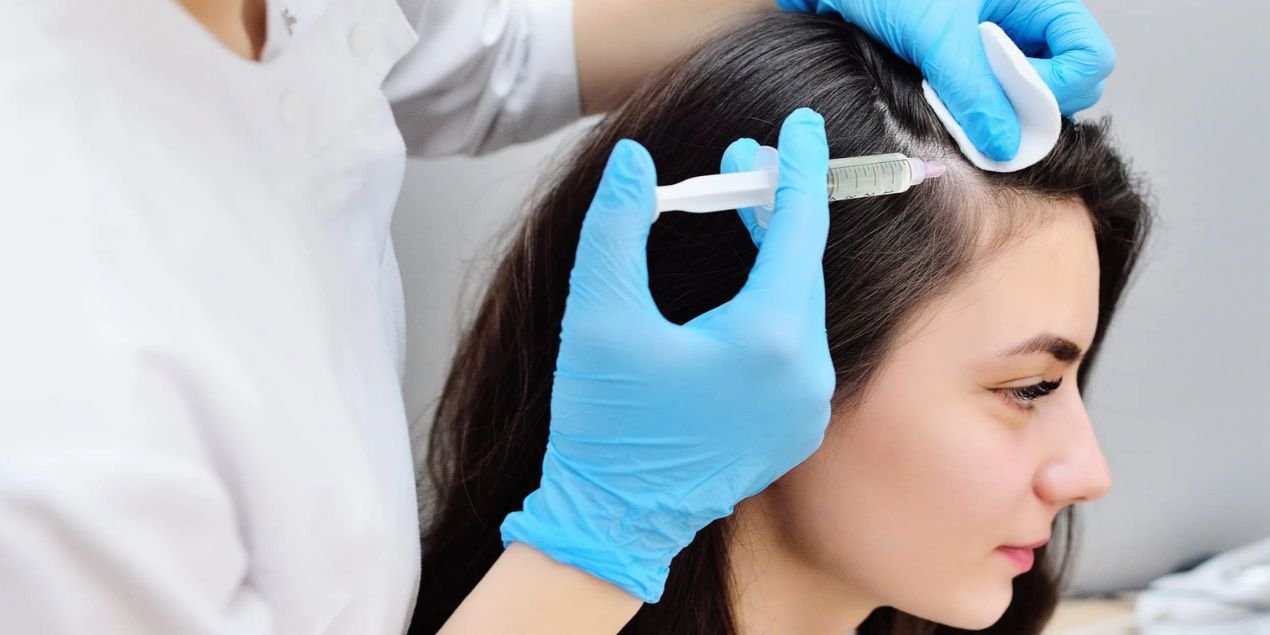
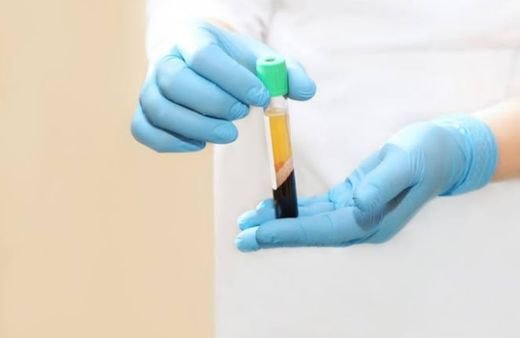
Platelet-rich plasma (PRP) is made from your own blood. A small sample is drawn, spun in a centrifuge to concentrate the platelets, and the concentrate is injected into the scalp where hair is thinning. Platelets release growth factors that are believed to stimulate follicles and prolong the growth phase.
Meta-analyses of small trials suggest PRP can increase hair density and thickness in pattern hair loss. However, the studies differ widely in how PRP is prepared and given, so results are not predictable and no single protocol is accepted as standard. Think of PRP as a promising supportive treatment, not a guaranteed cure.
🩸 PRP at a Glance
- Best for: early to moderate pattern thinning where follicles are still alive
- Typical plan: 3-4 sessions about a month apart, then maintenance every 6-12 months
- Visible results: usually from 3-6 months
- Downtime: minimal; scalp tenderness, mild swelling or headache for a day or two
- Not suitable for: blood disorders, blood thinners, active scalp infection, pregnancy, or completely bald scalp
"PRP can be a great addition when the hair is thinning but still alive. What it cannot do is replace a proper diagnosis, and it will not regrow hair on a scalp that has been smooth for years." — Dr. Alekya Singapore
PRP vs Medicines: Side-by-Side Comparison
| Factor | Medicines | PRP |
|---|---|---|
| Evidence | Strongest, guideline-supported | Encouraging but varied; protocols not standardised |
| How it works | Hormonal or follicle-stimulating action | Growth factors from your own platelets |
| Time to see results | 3-6 months | 3-6 months |
| Commitment | Daily, long term | Session series plus maintenance |
| Invasiveness | None (tablets or topical) | Needle-based, mild discomfort |
| Main risks | Drug-specific side effects | Tenderness, bruising, rare infection |
| Best role | Foundation treatment | Add-on or option when medicines are unsuitable |
So, What Works Best for You?
- Early pattern thinning: medicines first; add PRP if you want more density or need extra support.
- Moderate thinning: medicines plus PRP is a common, sensible combination.
- Sudden diffuse shedding: investigate and correct the trigger; PRP is rarely the first step.
- Patchy bald spots: needs a specific diagnosis; do not self-treat.
- Advanced baldness: medicines and PRP have limited effect; hair transplant may be considered.
When to See a Dermatologist for Hair Fall
See a dermatologist if:
- Shedding is heavy or lasts more than 2-3 months
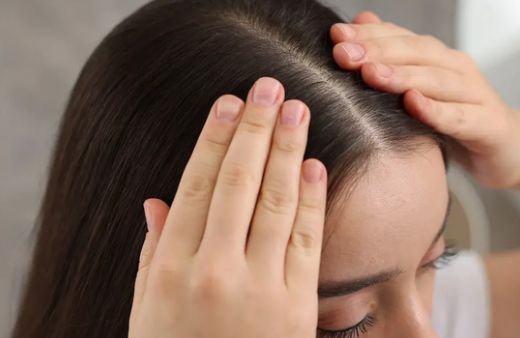
- You notice thinning at the crown, parting or hairline
- There are round bald patches
- Your scalp is itchy, scaly, painful or scarred
- Hair fall comes with fatigue, weight change or irregular periods
A proper assessment usually includes scalp examination, a pull test and targeted blood tests, so the plan matches the cause rather than a trend.
Frequently Asked Questions About PRP and Hair Fall Medicines
Is PRP better than medicines for hair fall?
Neither is better for everyone. Medicines such as minoxidil and finasteride have the strongest evidence for pattern hair loss and are usually the foundation of treatment. PRP is a useful add-on that can improve hair density in early to moderate pattern hair loss, but protocols vary and long-term data is still limited. Many dermatologists combine them.
Kya PRP se baal wapas aate hain?
PRP se kai logon mein baal ghane aur mazboot ho sakte hain, khaas kar jab hair follicles abhi zinda hon. Lekin jahan scalp bilkul chikna ho gaya hai wahan PRP se baal wapas nahi aate. PRP har kisi ke liye ek jaisa kaam nahi karta, isliye pehle dermatologist se hair fall ka sahi karan pata karwana zaroori hai.
How many PRP sessions are needed for hair fall?
Most protocols use 3 to 4 sessions about a month apart, followed by maintenance sessions every 6 to 12 months, but the plan varies by person and by clinic. Visible improvement usually takes 3 to 6 months from the start.
Are there side effects of PRP for hair?
PRP uses your own blood, so allergic reactions are rare. Common effects are scalp tenderness, mild swelling, headache and a small risk of infection or bruising at injection sites. PRP is generally avoided in people with blood disorders, those on blood thinners, active scalp infection or pregnancy, so a medical assessment is needed first.
How long do hair fall medicines take to work?
Most hair growth medicines need 3 to 6 months to show a clear effect, because hair grows slowly. Minoxidil can cause temporary extra shedding in the first weeks. Stopping the medicine usually leads to gradual loss of the gains, so treatment is generally long term.
Can I use PRP and minoxidil together?
Yes. Combining PRP with medicines such as minoxidil, and finasteride in suitable men, is common practice, and the combination often works better than either alone. Your dermatologist will set the schedule and advise on any pause around sessions.
What is the best treatment for hair fall in women?
It depends on the cause. Women with diffuse hair fall often need blood tests for iron, ferritin, vitamin D, B12 and thyroid, plus treatment of any deficiency. Pattern hair loss in women may be treated with minoxidil, certain anti-androgen medicines under medical supervision and PRP. Finasteride is generally not used in women who may become pregnant.
When should I see a dermatologist for hair fall?
Losing 50 to 100 hairs a day is normal. See a dermatologist if shedding is heavy or lasts more than 2 to 3 months, if you see thinning at the crown or parting, if you have patchy bald spots, or if the scalp is itchy, scaly, painful or scarred. Early treatment protects the follicles you still have.
Not Sure Whether You Need PRP or Medicines?
Dr. Alekya Singapore and the team at The Skin Sensé will find the cause of your hair fall and build a treatment plan that fits your scalp, your goals and your budget.
📍 Location: Banjara Hills, Hyderabad
⏰ Hours: Mon-Sat, 10 AM – 5 PM
References
- Gupta AK, Carviel JL. Meta-analysis of efficacy of platelet-rich plasma therapy for androgenetic alopecia. Journal of Dermatological Treatment. 2017;28(1):55-58.
- Kanti V, Messenger A, Dobos G, et al. Evidence-based (S3) guideline for the treatment of androgenetic alopecia in women and in men: short version. Journal of the European Academy of Dermatology and Venereology. 2018;32(1):11-22.
This article is for general education and is not a substitute for personal medical advice. Results vary from person to person. Prescription medicines should only be used under a doctor's guidance.

About the Author: Dr. Alekya Singapore
Founder & Chief Dermatologist, The Skin Sensé
Dr. Alekya Singapore is an award-winning dermatologist with over 13 years of experience in clinical, cosmetic and procedural dermatology. Recognized as India's 1st Dermapreneur by Times Network (2025) and named among India's Top 10 Dermatologists, she holds qualifications including MBBS, DDVL, FAM, FPD (USA), FDM (UK), MBA (Manipal) and AMPH (ISB).
She specializes in hair loss, scalp disorders and hair restoration using evidence-based approaches that combine medical therapy with advanced clinical procedures.