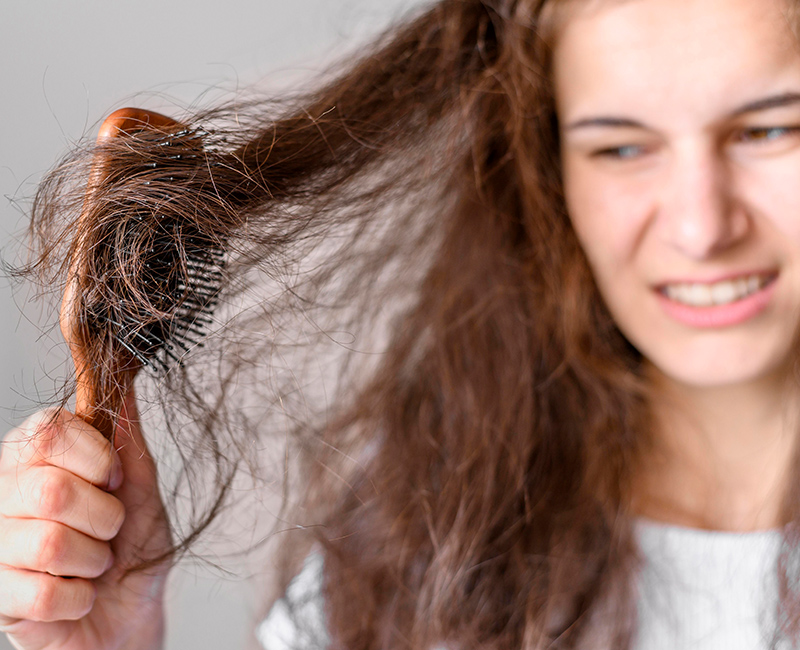
3 Main Reasons for Hair Fall: Understanding the Root Causes
Hair fall is one of the most common complaints we all have in our daily life. No matter what we do, we always end up having those few strands of hair stuck in our combs or lying on our bathroom floor. As a dermatologist with over 13 years of experience treating hair loss in Hyderabad, I've identified the most common underlying causes that affect my patients.
As I have mentioned in my previous post, it is normal to lose around 50-70 hair strands per day, yet it is typical to be concerned when you see a chunk of your hair lying around or a receding hairline on your scalp. Understanding the difference between normal shedding and problematic hair loss is the first step toward effective treatment.
Key Takeaway: The 3 Main Causes of Hair Fall
There are many obvious causes for hair fall, but the three main causes responsible for hair loss are:
- Stress - Triggers telogen effluvium by pushing hair into resting phase
- Nutritional Deficiencies - Especially Vitamin B12, D3, and Biotin
- Hormonal Imbalances - Thyroid, PCOS, and DHT-related hair loss
"Now, when I say stress it need not necessarily be an emotional or mental stress always, but of course, that also adds up to the causes. Any changes in your regular lifestyle is a form of stress to the body... for example... frequent changes in food habits, in sleep cycles, relocating to a place which requires adapting to the local environment etc."
— Dr. Alekya Singapore, Founder, The Skin Sensé
I. STRESS: The Silent Hair Killer
What is Stress-Related Hair Fall?
Stress-related hair fall, medically known as telogen effluvium, is the most commonly blamed cause for almost every medical problem in the world today. Under normal circumstances, 80-90 percent of your hair are in the growing phase (anagen) and only 10-20 percent of your hair are in the resting phase (telogen) that eventually shed from the scalp.
How Does Stress Cause Hair Fall?
Stress releases certain chemical signals (cortisol and other stress hormones) that induce hair follicles to enter into the telogen phase (resting phase) prematurely. When the cause of stress is eliminated, the telogen hair follicles start to shed from the scalp, which we notice as a sudden increased hair fall. This typically occurs 2-3 months after the stressful event.
Types of Stress That Cause Hair Fall:
- Emotional stress – Anxiety, depression, grief, relationship issues
- Physical stress – Surgery, illness, accidents, childbirth
- Lifestyle changes – Job changes, relocations, dietary shifts
- Sleep disturbances – Irregular sleep cycles, insomnia
- Environmental stress – Adapting to new climate, pollution exposure
II. DIET: Nutritional Deficiencies and Hair Loss
What Vitamins Are Essential for Hair Growth?
While stress is one of the main causes of medical problems, having a balanced and proper diet would not only eliminate stress but also provide essential nutrients for healthy hair. Conversely, an improper or deficient diet can lead to many health issues including significant hair loss. Hair requires a mixture of vitamins and minerals to grow strong and healthy.
There is a comprehensive list of vitamins and minerals that assist in hair growth and strengthening. Let me highlight the 3 most important ones that directly impact hair health:
The 3 Essential Vitamins for Hair:
- Vitamin B12 – Plays a vital role in cell division and red blood cell production. It helps produce new hair cells and promotes hair growth. Deficiency is common in vegetarians and can cause premature graying along with hair fall.
- Vitamin D3 – Stimulates hair follicles and plays a crucial role in the hair growth cycle. Its deficiency leads to hair fall and is extremely common in India despite abundant sunlight, often due to indoor lifestyles and sun avoidance.
- Biotin (Vitamin B7) – Studies reveal that it improves keratin infrastructure (hair is made up of keratin). This means biotin helps in making your hair stronger, thicker, and more resilient to damage.
Deficiency of any of these, or all of them together, would result in having weaker, thinner hair and also end up causing visible hair loss. The good news is that nutritional deficiencies are easily treatable once diagnosed through blood tests.
III. HORMONES: The Hidden Cause of Hair Loss
Can Hormonal Imbalance Cause Hair Fall?
When it comes to hormones, most people think this topic applies only to females, as they are the ones who commonly experience hormonal imbalance issues. However, hormonal hair loss affects both men and women. If you believe hormones only affect women's hair, this section will change your understanding.
Types of Hormonal Hair Loss:
- Female Hormones (FSH, LH) – Imbalance as seen in PCOS (Polycystic Ovarian Syndrome) is a major cause of hair fall in women. PCOS affects up to 20% of women of reproductive age and often presents with hair thinning, especially around the crown.
- Thyroid Hormones – Thyroid imbalance, mainly HYPOTHYROIDISM, is extremely common. The thyroid hormone plays a vital role in metabolism as well as growth and development in our body. When it is not producing enough hormones, it results in hair fall, dry skin, and brittle hair.
- Male Hormones (Testosterone/DHT) – The male hormone TESTOSTERONE gets converted to a more potent form called Dihydrotestosterone (DHT) in the body. This conversion in the scalp hair follicles causes hair to become smaller (miniaturization), resulting in male pattern baldness (androgenetic alopecia). This affects both men and women.
What Tests Should You Get for Hair Fall Diagnosis?
Therefore, getting regular investigations (blood tests) is essential for proper diagnosis. Here are the recommended tests:
Recommended Blood Tests for Hair Fall:
- Serum Vitamin B12 – Normal range: 200-900 pg/mL
- Serum Vitamin D3 – Optimal: 30-100 ng/mL
- Complete Thyroid Profile – TSH, T3, T4
- Serum Ferritin – Iron stores for hair growth
- Hemoglobin – Check for anemia
Additional Tests for Women:
- Complete Hormone Profile – FSH, LH, Prolactin, Testosterone
- PCOS Scan (Ultrasound) – When symptoms suggest polycystic ovaries
These tests would help you diagnose the cause of your hair loss and enable targeted treatment rather than generic solutions that may not address your specific issue.
Hair Fall Treatment Options at The Skin Sensé
At The Skin Sensé, we follow a diagnosis-first approach to hair fall treatment. Once we identify the underlying cause through comprehensive testing, we offer personalized treatment plans that may include:
- PRP Therapy (Platelet-Rich Plasma) – Uses your own blood platelets to stimulate hair growth
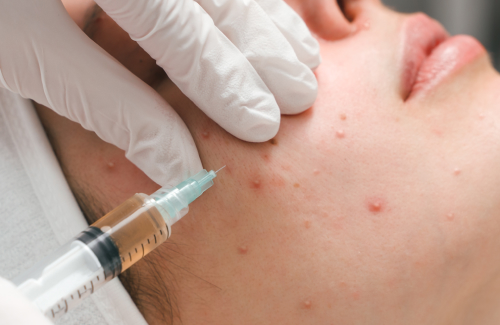
- Mesotherapy – Microinjections of vitamins and minerals directly to the scalp
- Low-Level Laser Therapy – FDA-approved treatment to stimulate follicles
- Nutritional Supplementation – Targeted vitamins based on your deficiency profile
- Hormonal Treatment – Working with endocrinologists for thyroid/PCOS management
- Hair Transplant – For advanced cases of pattern baldness
Frequently Asked Questions About Hair Fall
Q: How many hair strands falling per day is considered normal?
A: Losing 50-70 hair strands per day is completely normal as part of the natural hair growth cycle. However, if you notice significantly more hair in your comb, shower drain, or pillow, or if you observe a receding hairline or thinning patches, it's time to consult a dermatologist.
Q: Can stress-related hair loss be reversed?
A: Yes, telogen effluvium (stress-related hair loss) is typically reversible. Once the underlying stress is addressed and eliminated, hair usually regrows within 6-9 months. Treatments like PRP therapy can accelerate this recovery.
Q: How long does it take for vitamin supplements to stop hair fall?
A: With proper supplementation and correction of deficiencies, you can expect to see reduced hair fall within 2-3 months and visible new hair growth within 4-6 months. Consistency with supplements is key to success.
Q: Is hair fall hereditary?
A: Yes, pattern baldness (androgenetic alopecia) has a strong genetic component. If your parents or grandparents experienced hair loss, you may be predisposed. However, early intervention can significantly slow down or prevent hereditary hair loss.
Experiencing Hair Fall? Get Expert Help Today
Dr. Alekya Singapore and the team at The Skin Sensé have helped thousands of patients overcome hair loss with our diagnosis-first approach. Don't wait until it's too late.
📍 Location: Banjara Hills, Hyderabad
⏰ Hours: Mon-Sat, 10 AM – 5 PM

About the Author: Dr. Alekya Singapore
Founder & Chief Dermatologist, The Skin Sensé
Dr. Alekya Singapore is an award-winning dermatologist with over 13 years of experience in clinical, cosmetic, and procedural dermatology. Recognized as India's 1st Dermapreneur by Times Network (2025) and named among India's Top 10 Dermatologists, she holds qualifications including MBBS, DDVL, FAM, FPD (USA), FDM (UK), MBA (Manipal), and AMPH (ISB).
Her expertise in hair restoration includes PRP therapy, mesotherapy, and hair transplant procedures. She has addressed over 1 million skin and hair concerns using a diagnosis-first approach.