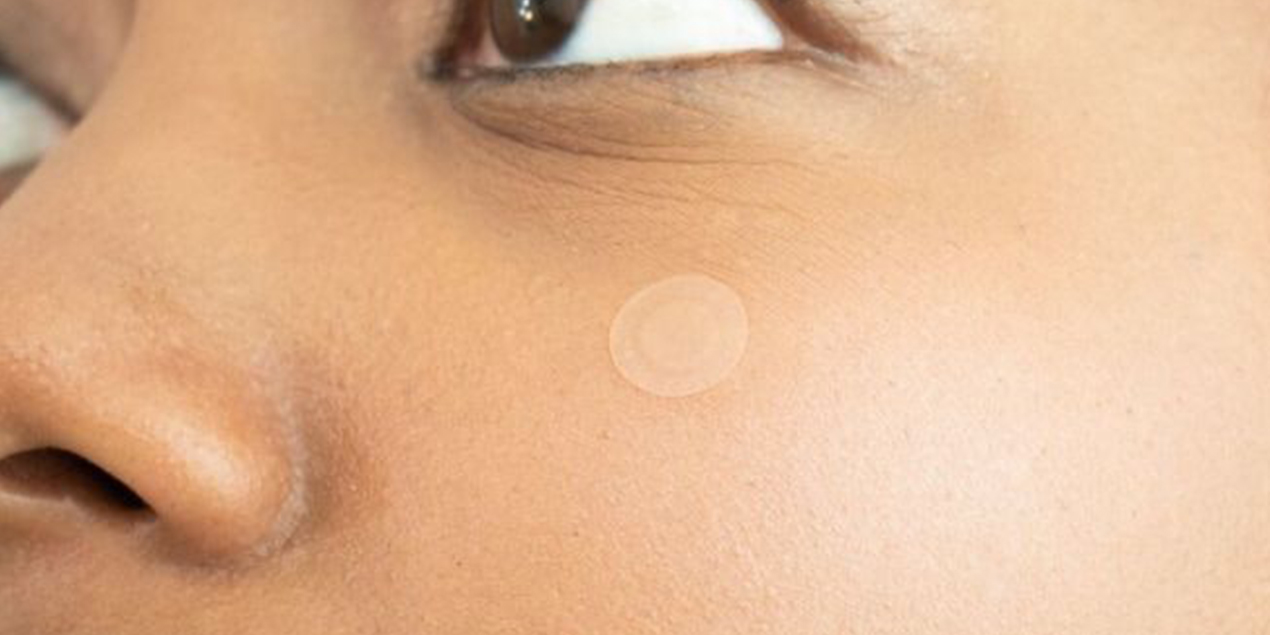
Do Pimple Patches Really Work? A Dermatologist's Honest Review
Pimple patches have become one of the most popular acne treatments in recent years, and for good reason—they're convenient, affordable, and satisfying to use. These small, adhesive hydrocolloid dots are designed to treat individual pimples by absorbing fluid and protecting the blemish from external irritants.
But before you stock up on these trendy acne stickers, it's important to understand both their benefits and limitations. As a dermatologist with over 13 years of experience treating acne, I've seen patients who've had great success with pimple patches—and others who've delayed necessary treatment by relying on them too heavily.
🔑 Key Takeaways: Pimple Patches
- Best for: Surface-level pimples with visible whiteheads
- Not effective for: Cystic acne, hormonal acne, or deep nodules
- How they work: Absorb excess fluid, protect from bacteria, prevent picking
- When to see a dermatologist: Persistent acne, scarring, or no improvement after 2-3 weeks
What Are Pimple Patches and How Do They Work?
Pimple patches, also called hydrocolloid patches or acne stickers, are small adhesive bandages made from hydrocolloid material—the same technology used in wound-healing bandages. When applied to a pimple, they create a moist environment that:
- Absorbs excess fluid (pus and sebum) from the pimple
- Creates a protective barrier against bacteria and dirt
- Prevents you from touching or picking at the blemish
- Keeps active ingredients (in medicated versions) in contact with the skin
"Pimple patches are helpful, but they should be used as part of a holistic skincare routine. Persistent or severe acne needs professional diagnosis and personalised care. They are not a cure-all." — Dr. Alekya Singapore
4 Pros of Using Pimple Patches
✅ Benefits of Pimple Patches
- 🎯 Targeted Treatment: Unlike creams that spread across your face, pimple patches deliver concentrated treatment directly to the pimple. They create a sealed environment that maximizes absorption while protecting the surrounding healthy skin from potentially drying ingredients.
- 🧽 Absorbs Excess Sebum & Fluid: The hydrocolloid material actively draws out pus, oil, and fluid from the pimple. You can visually see this working when the patch turns white—a satisfying indicator that it's doing its job. This reduces inflammation and helps flatten the pimple faster.
- 🛡️ Protection from External Factors: Once applied, the patch shields the pimple from dust, pollution, bacteria, and—most importantly—your fingers. This protection prevents further irritation and reduces the risk of spreading bacteria to other pores or causing scarring from picking.
- 🙈 Discreet Coverage: Most pimple patches are translucent and thin, making them nearly invisible on the skin. This allows you to wear them during the day without drawing attention to your blemish. Some even work well under makeup.
4 Cons of Using Pimple Patches
❌ Limitations of Pimple Patches
- ⚠️ Limited Effectiveness on Deep Acne: Pimple patches only work on surface-level blemishes. They cannot penetrate deep enough to treat cystic acne, nodular acne, or hormonal breakouts that form beneath the skin's surface. For these types, professional treatment is essential.
- ⏳ May Delay Proper Treatment: Relying solely on pimple patches for persistent acne can postpone necessary dermatological care. While patches provide temporary relief, they don't address underlying causes like hormonal imbalances, bacterial overgrowth, or inflammatory conditions.
- ⚡ Can Irritate Sensitive Skin: The adhesive or active ingredients in some patches may cause allergic reactions, redness, or sensitivity—especially with prolonged use. Those with sensitive or reactive skin should patch test before regular use.
- 🚫 Not Suitable for Open Pimples: Applying patches to freshly popped, bleeding, or open pimples can trap bacteria inside and increase infection risk. Standard hydrocolloid patches are designed for intact pimples, not wounds.
When Do Pimple Patches Work Best?
Understanding when to use pimple patches—and when to skip them—is key to getting good results:
| Use Pimple Patches For | See a Dermatologist For |
|---|---|
| Whiteheads with visible pus | Cystic or nodular acne |
| Occasional, isolated pimples | Persistent, recurring breakouts |
| Surface-level inflammation | Deep, painful lumps under skin |
| Preventing picking habits | Acne causing scarring |
| Minor, stress-related breakouts | Hormonal acne patterns |
How to Use Pimple Patches Correctly
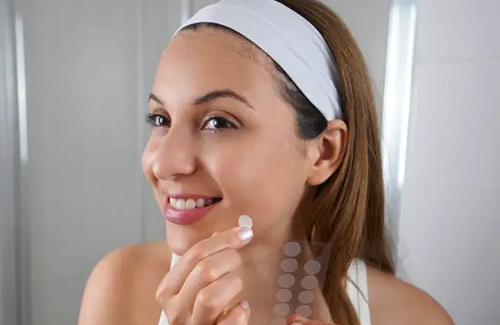
For best results, follow these steps:
- Cleanse your face thoroughly and pat completely dry
- Skip skincare products on the pimple area—serums and moisturizers reduce adhesion
- Apply the patch directly over the pimple, pressing gently to secure
- Leave on for 6-8 hours or overnight
- Remove when white—this indicates fluid absorption
- Replace if needed with a fresh patch after cleansing
The Bottom Line: Should You Use Pimple Patches?
Pimple patches are a useful tool in your acne-fighting arsenal—but they're not a complete solution. They work well for occasional, surface-level pimples and can help prevent picking-related scarring. However, they should complement, not replace, a proper skincare routine and professional care when needed.
For best long-term results, I advise my patients to maintain a consistent skincare regimen, eat a balanced diet, manage stress, get adequate sleep, and consult a dermatologist for persistent or severe acne. Understanding the root cause of your acne is the first step to truly clear skin.
Frequently Asked Questions About Pimple Patches
Do pimple patches really work?
Yes, pimple patches can work for certain types of acne. They are most effective on surface-level pimples with visible whiteheads. Hydrocolloid patches absorb excess fluid and oil, protect the pimple from bacteria, and prevent picking. However, they are not effective for deep, cystic, or hormonal acne.
Can I use pimple patches on cystic acne?
No, pimple patches are not effective for cystic acne. Cystic acne forms deep under the skin surface where the patch cannot reach. For cystic or hormonal acne, you need professional dermatological treatment such as prescription medications, cortisone injections, or other targeted therapies.
How long should I leave a pimple patch on?
Most pimple patches should be left on for 6-8 hours or overnight. You'll know it's time to remove the patch when it turns white or opaque, indicating it has absorbed fluid. Replace with a fresh patch if needed, but avoid leaving the same patch on for more than 24 hours.
Can I put a pimple patch on a popped pimple?
It's generally not recommended to apply pimple patches on freshly popped or open pimples as this can trap bacteria and lead to infection. However, some medicated patches are designed for open wounds. Consult a dermatologist if you've popped a pimple and are concerned about infection.
Are pimple patches better than spot treatments?
Both have their place. Pimple patches are better for protection from picking and absorbing surface-level pus. Spot treatments with ingredients like benzoyl peroxide or salicylic acid can penetrate deeper and address bacterial causes. For best results, some people alternate between both methods.
When should I see a dermatologist instead of using pimple patches?
See a dermatologist if you have persistent acne that doesn't respond to over-the-counter treatments, cystic or nodular acne, acne causing scarring, hormonal acne patterns, or if you've been using pimple patches for weeks without improvement. Professional treatment addresses root causes.
Struggling with Persistent Acne?
Pimple patches can only do so much. If you're dealing with recurring breakouts, cystic acne, or acne scarring, it's time for professional help. Dr. Alekya Singapore and the team at The Skin Sensé use a diagnosis-first approach to identify and treat the root cause of your acne.
📍 Location: Banjara Hills, Hyderabad
⏰ Hours: Mon-Sat, 10 AM – 5 PM

About the Author: Dr. Alekya Singapore
Founder & Chief Dermatologist, The Skin Sensé
Dr. Alekya Singapore is an award-winning dermatologist with over 13 years of experience in clinical, cosmetic, and procedural dermatology. Recognized as India's 1st Dermapreneur by Times Network (2025) and named among India's Top 10 Dermatologists, she holds qualifications including MBBS, DDVL, FAM, FPD (USA), FDM (UK), MBA (Manipal), and AMPH (ISB).
She specializes in acne treatment using a diagnosis-first approach, helping patients understand the root cause of their breakouts for lasting results rather than temporary fixes.