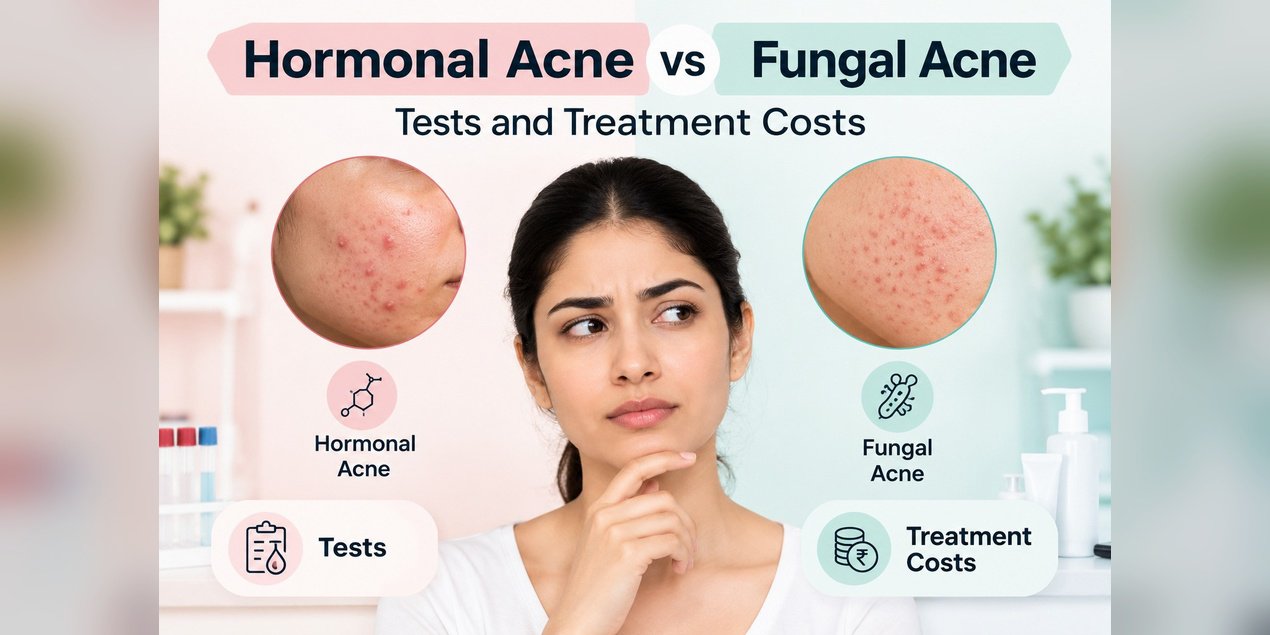
Hormonal Acne vs Fungal Acne: Understanding the Difference
Small, recurring breakouts can be frustrating, especially when your usual acne products do not seem to help. You may notice painful pimples around your chin and jawline, or clusters of tiny, itchy bumps across your forehead, chest or back. Although both can look like acne, the underlying causes may be different.
Two conditions that are often confused are hormonal acne and Malassezia folliculitis, commonly called fungal acne. Hormonal acne is associated with factors such as hormonal fluctuations and increased oil production, while Malassezia folliculitis involves an overgrowth of yeast within hair follicles.
Understanding the difference matters because the treatments are not interchangeable. If you are searching for hormonal acne treatment or fungal acne diagnosis in Hyderabad, a dermatologist can assess your symptoms, determine whether testing is necessary and recommend an appropriate treatment plan.
At The Skin Sensé in Banjara Hills, Hyderabad, the approach to acne care includes clinical assessment and treatment tailored to the individual's skin concerns.
Key Takeaway: Hormonal Acne vs Fungal Acne
- Hormonal acne: May cause recurring chin and jawline breakouts, inflamed pimples and deeper lesions.
- Fungal acne: Often presents as small, similar-looking bumps that may itch, especially around the forehead, chest and back.
- Diagnosis: A clinical skin examination is the starting point. Additional tests depend on the suspected cause.
- Treatment costs: Depend on the consultation, necessary tests, prescribed medication and follow-up care.
Hormonal Acne vs Fungal Acne: What Is the Difference?
Both conditions can cause red bumps, inflammation and persistent breakouts. However, the appearance, location and symptoms can provide useful clues.
| Feature | Hormonal Acne | Malassezia Folliculitis (Fungal Acne) |
|---|---|---|
| Main association | Hormonal influences, oil production and clogged follicles | Overgrowth of Malassezia yeast in hair follicles |
| Appearance | May include blackheads, whiteheads, inflamed pimples and deep cysts | Often small, similar-looking bumps or pustules |
| Common locations | Chin, jawline, lower cheeks and sometimes other areas | Forehead, hairline, chest, shoulders and upper back |
| Itching | Not usually the main symptom | Itching is common, though not always present |
| Menstrual connection | Breakouts may worsen around periods | Usually not characterised by a menstrual pattern |
| Treatment approach | Acne medicines and, where appropriate, hormonal treatment | Antifungal treatment when the diagnosis is confirmed or strongly suspected |
These differences are clues, not a definitive home diagnostic test. Both conditions can occur together, and other problems, including bacterial folliculitis and irritation from skincare products, can produce similar-looking bumps.
How to Recognise Possible Hormonal Acne
Hormonal acne can affect teenagers and adults, including people who first develop persistent acne in adulthood.
Common signs include:
- Recurring breakouts around the chin, jawline or lower cheeks.
- Deep, tender pimples or inflamed lesions.
- Breakouts that become more noticeable around menstruation.
- Persistent acne despite using ordinary skincare products.
- Acne accompanied by irregular periods, excess facial hair or other possible signs of androgen excess.
Hormonal acne does not automatically mean that you have a hormone disorder. However, if acne occurs alongside irregular periods, unusual hair growth or other relevant symptoms, your dermatologist may consider whether further evaluation is appropriate.
How to Recognise Possible Fungal Acne
Malassezia folliculitis is often called fungal acne, but it is not the same condition as ordinary acne vulgaris. It develops when yeast that normally lives on the skin contributes to inflammation within hair follicles.
You may notice:
- Many small bumps that look similar in size.
- Itching or irritation, particularly after sweating.
- Breakouts along the forehead or hairline.
- Similar bumps across the chest, shoulders or upper back.
- Persistent bumps that have not improved with conventional acne treatment.
Heat, humidity, sweating, occlusive skincare products and certain medications may contribute to the condition in susceptible individuals. However, these factors alone do not confirm fungal acne.
If your skin has itchy, uniform bumps and conventional acne treatment has not helped, ask a dermatologist whether Malassezia folliculitis or another type of folliculitis could be responsible.
What Diagnostic Tests May Be Needed?
Not every acne patient needs laboratory testing. In many cases, a dermatologist can make an initial assessment by examining the skin and reviewing the patient's symptoms, medical history and previous treatments.
When the diagnosis is uncertain, additional tests may help distinguish between conditions.
1. Clinical Skin Examination
The dermatologist examines the type of lesions, their distribution, whether they are itchy or painful, and whether blackheads, whiteheads or deeper nodules are present.
They may also ask about your menstrual cycle, skincare routine, medication use, sweating, previous treatments and the duration of the breakouts.
2. Skin Scraping or Microscopic Examination
If Malassezia folliculitis is suspected, a sample from the affected area may be examined under a microscope. A potassium hydroxide (KOH) preparation or another appropriate method can help identify yeast.
The result must be interpreted alongside the clinical findings because Malassezia can naturally live on healthy skin. Detecting yeast alone does not always prove that it is causing the bumps.
3. Dermoscopy or Other Targeted Examination
A dermatologist may use dermoscopy or other examination techniques to assess the affected follicles and look for features that support the diagnosis. These methods can provide additional clues but may not be conclusive on their own.
4. Hormonal Blood Tests, When Indicated
Hormone tests are not routinely necessary for everyone with acne. If your symptoms suggest a possible hormonal disorder, the dermatologist may recommend selected blood tests or refer you for further evaluation.
Depending on the symptoms, testing may include total or free testosterone assessment, DHEA-S, prolactin or thyroid testing. Not every patient needs all of these tests, and the choice depends on the clinical findings.
For patients with acne and possible PCOS-related symptoms, the clinician may recommend an appropriate assessment rather than assuming acne alone confirms a hormonal problem.
5. Further Tests for Persistent or Unusual Breakouts
If the condition does not respond as expected, the dermatologist may reconsider the diagnosis. Depending on the appearance and clinical history, additional testing may be needed to investigate bacterial folliculitis or other skin conditions.
The goal is to identify the actual cause before continuing with treatments that may not be appropriate.
Which Tests Might Your Dermatologist Recommend?
- Clinical skin examination: To assess lesion appearance, location and symptoms.
- KOH preparation or microscopy: When fungal folliculitis is suspected.
- Hormonal blood tests: When symptoms indicate a possible hormonal disorder.
- Additional targeted investigations: If the diagnosis remains uncertain or the condition does not respond as expected.
Testing is individualised. A dermatologist can explain which investigations are relevant before you incur additional costs.
Hormonal Acne vs Fungal Acne: Treatment Options
The correct treatment depends on the diagnosis, severity and individual medical history.
Treatment for Hormonal Acne
Treatment may include topical retinoids, benzoyl peroxide, azelaic acid or other prescription medicines. For selected patients, a dermatologist may consider hormonal treatment or oral medication based on the clinical assessment.
Severe or persistent acne may require a more comprehensive treatment plan. The choice of medication should account for pregnancy possibility, medical history, side effects and other medicines being taken.
Do not start prescription acne medicines or hormonal tablets without medical advice.
Treatment for Malassezia Folliculitis
When fungal acne is diagnosed, treatment may involve topical antifungal products or, in selected cases, prescription oral antifungal medication.
The choice depends on the severity, extent of involvement, previous treatment and relevant medical factors. Oral antifungals are not suitable for everyone and can have important interactions and safety considerations.
Recurrence can occur, so some patients may need maintenance treatment or advice about factors that contribute to repeated flare-ups.
Do not automatically treat every small bump with antifungals, antibiotics or strong acne products. The wrong treatment can delay an accurate diagnosis and may irritate the skin.
— The Skin Sensé, Clinical Dermatology Guidance
How Much Do Diagnostic Tests and Treatment Cost in Hyderabad?
The cost of hormonal acne or fungal acne care depends on what your skin needs. A consultation alone may be sufficient for an initial diagnosis, while other cases may require a laboratory test, prescription medication or follow-up visits.
Here is what to consider when planning your budget.
| Cost Component | What Can Affect the Cost? |
|---|---|
| Dermatologist consultation | Consultation type, clinic fees and whether it is an initial or follow-up visit. |
| Fungal acne testing | Whether a skin sample or microscopic examination is required and where it is performed. |
| Hormonal blood tests | Which tests are indicated and the laboratory providing them. |
| Prescription medication | Medicine type, dosage, duration and whether topical or oral treatment is prescribed. |
| Follow-up appointments | Treatment response, monitoring and whether the diagnosis needs reassessment. |
The Skin Sensé's online appointment page lists a consultation fee of ₹1,200 for its online booking option. This is a consultation fee, not the total cost of diagnostic tests or treatment. Confirm the current fee and any additional charges directly with the clinic.
A precise estimate for fungal testing, hormone investigations or prescription treatment cannot be given without knowing which services your dermatologist recommends. Ask for an itemised estimate before proceeding with any tests or treatment.
Why an Accurate Diagnosis Can Save Time and Money
Repeatedly changing face washes, acne serums and spot treatments can become expensive without addressing the underlying condition.
For example, a person with Malassezia folliculitis may not improve with conventional acne treatment alone. Similarly, treating hormonal acne only with antifungal products is unlikely to address its underlying causes.
A dermatologist can help you avoid unnecessary products and tests by identifying the likely condition, recommending targeted investigations when needed and reviewing the response to treatment.
When Should You See a Dermatologist?
Consider arranging a consultation if:
- Your breakouts keep returning despite consistent skincare.
- You have itchy, similar-looking bumps across the forehead, chest or back.
- Acne is painful, deep or beginning to leave scars.
- You have irregular periods or other symptoms that may suggest a hormonal issue.
- Your skin worsens after repeated use of over-the-counter products.
- You are unsure whether you have acne, folliculitis or another skin condition.
Seek prompt medical attention if the skin problem is rapidly worsening, very painful, associated with spreading redness or accompanied by fever.
Get an Acne Assessment at The Skin Sensé, Banjara Hills
If you are unsure whether your breakouts are hormonal acne or Malassezia folliculitis, start with a clinical assessment rather than guessing based on appearance alone.
The Skin Sensé in Banjara Hills, Hyderabad, provides clinical dermatology and acne care with a diagnosis-first approach. A dermatologist can review your symptoms, determine whether any testing is needed and explain the treatment options, expected duration and associated costs.
Explore the clinic's clinical dermatology services to learn more about the available care options.
Book a consultation with The Skin Sensé to understand the cause of your breakouts and receive a treatment plan suited to your skin.
Frequently Asked Questions About Hormonal and Fungal Acne
1. Can hormonal acne and fungal acne look similar?
Yes. Both can cause inflamed bumps, but hormonal acne may include blackheads, whiteheads and deep pimples, while Malassezia folliculitis often causes small, similar-looking bumps and may be itchy. A clinical examination can help distinguish them.
2. What test confirms fungal acne?
A dermatologist may examine a skin sample under a microscope using a KOH preparation or another suitable method. Testing is interpreted alongside the skin examination because Malassezia can naturally occur on healthy skin.
3. Do I need a hormone test for acne?
Not necessarily. Hormonal blood tests are generally considered when symptoms or medical history suggest an underlying hormonal issue. Your dermatologist will decide whether testing is appropriate.
4. How much does fungal acne treatment cost in Hyderabad?
The total cost depends on the consultation, whether diagnostic testing is required, the prescribed medication and follow-up care. Contact the clinic for current fees and an itemised estimate based on your treatment plan.
5. Can fungal acne be treated with ordinary acne products?
Not always. Conventional acne products may not address Malassezia folliculitis and some products may irritate the skin. The appropriate treatment depends on an accurate diagnosis.
6. Where can I consult a dermatologist for acne in Banjara Hills?
You can contact The Skin Sensé in Banjara Hills, Hyderabad, for acne assessment and clinical dermatology care. Visit the clinic's website to review its services and arrange an appointment.
Not Sure Which Type of Acne You Have?
Get a professional assessment to understand your breakouts, find out whether diagnostic testing is needed and discuss suitable treatment options.
Location: Banjara Hills, Hyderabad
Consultation: Confirm current availability and fees with the clinic.
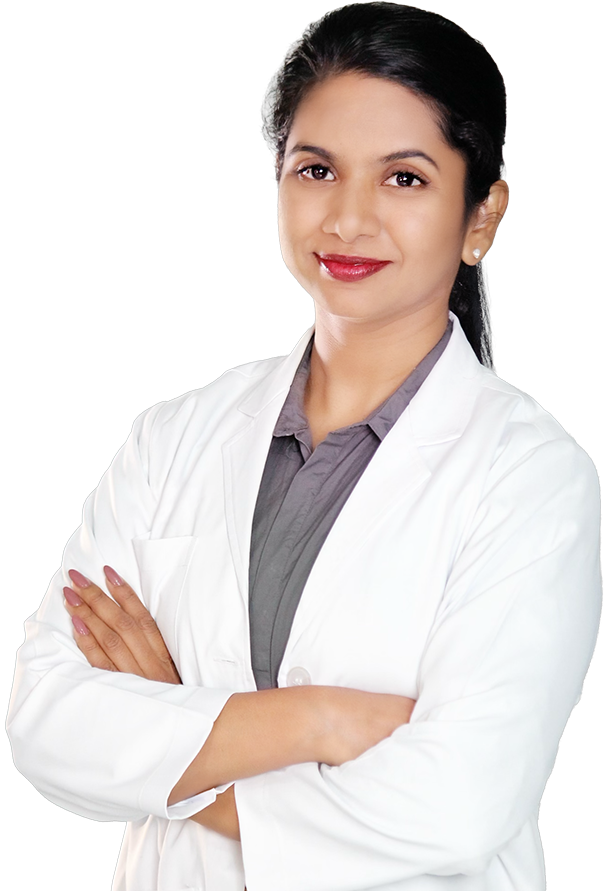
About the Author: Dr. Alekya Singapore
Founder and Chief Dermatologist, The Skin Sensé
Dr. Alekya Singapore is a dermatologist associated with The Skin Sensé, Hyderabad. The clinic offers dermatology services for a range of skin and hair concerns, with assessment and treatment recommendations based on individual needs.
For recurring acne, persistent bumps or suspected folliculitis, a clinical evaluation can help determine the likely cause and whether further testing is necessary.